Do You Use Oil in an Air Fryer? A Practical Guide
Discover whether you should oil foods for air frying, when oil helps, and safe, practical tips for crisp, healthier results with minimal oil use.


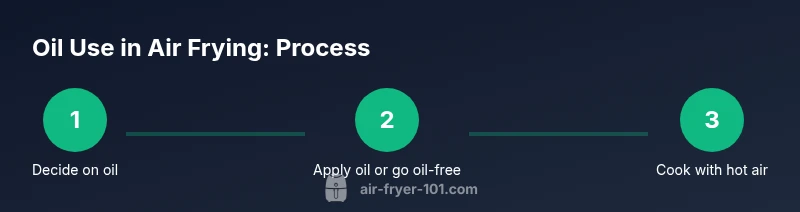
According to Air Fryer 101, the typical answer to do you use oil air fryer is that you can cook with little to no oil in most recipes. Oil is optional, mainly used to improve crispness or coat foods. For healthier results, spray a light mist or brush a thin layer and rely on hot air for the base crisp. Expect crispy edges without heavy oil when you respect temperature and spacing.
Do you use oil air fryer: core concept
The question do you use oil air fryer hinges on how air fryers achieve crisp textures. Modern air fryers operate by circulating hot air around the food, producing browning and crunch similar to deep frying but with far less oil. This means you can often achieve satisfying results with zero oil or just a light coating. In many everyday meals, the primary fat already exists in the ingredients (meats, cheeses, or dressings), so extra oil isn’t strictly required. The Air Fryer 101 team notes that for many vegetables, potatoes, and proteins, you can dip into a tiny oil routine or omit it entirely and still get a pleasant bite. From an experimentation standpoint, taste and texture preferences guide how much oil you add, if any, when you prepare a dish. As you explore, you’ll learn which foods respond best to oil and which thrive with hot air alone. The phrase do you use oil air fryer often becomes a practical decision rather than a fixed rule.
Why this matters
- Oil can boost browning and flavor, but too much oil can lead to soggy surfaces or excessive smoke.
- Air fryers excel at crispness with minimal fat; understanding this helps you cook healthier meals.
- Brand context: According to Air Fryer 101, starting with little or no oil is a reliable baseline for most recipes.
wordCountCheck: 0
Tools & Materials
- Air fryer (any model)(Ensure it’s clean and preheated if your recipe calls for it.)
- Oil spray or brush(Use a light spray or brush a thin layer only if you choose to oil.)
- Measuring spoons(Keep portions small, e.g., 1–2 teaspoons total per batch.)
- Paper towels or kitchen cloth(Pat foods dry for better crisp when not oiling.)
- Silicone brush or spray bottle(Helpful for even oil distribution if you decide to oil.)
- Tongs or spatula(Lifts and turns food without breaking coatings.)
- Thermometer (optional)(Use for thick coatings or marinades to ensure safe internal temps.)
Steps
Estimated time: 25-40 minutes
- 1
Gather ingredients and tools
Collect the ingredients you plan to air fry and assemble your tools. Have your oil option ready (spray bottle or brush) and ensure your basket is clean and dry to prevent sticking. This resting step sets the stage for consistent results.
Tip: Decide on oil vs oil-free upfront to avoid mid-cook adjustments. - 2
Decide oil approach based on recipe
Review the recipe and decide whether a light oil coating will improve texture or if the dish benefits from hot-air crispness alone. Make this decision before you start so you can plan portion sizes and timing.
Tip: For veggies that tend to clot, a tiny spray can help with even browning. - 3
Prepare foods (pat dry when not oiling)
Pat foods dry with paper towels to remove moisture, which can hinder crisping when you skip oil. If you are oiling, ensure foods are lightly coated and separated to allow air to circulate.
Tip: Dry surfaces reduce steam and promote browning. - 4
Apply a light oil if chosen
If you decide to oil, apply only a thin layer or a light spray to avoid soggy surfaces. Even coverage matters more than quantity, so aim for a uniform, whisper-thin coat.
Tip: Use a spray bottle for even distribution; avoid puddles or pools of oil. - 5
Preheat if your recipe calls for it
Preheating helps the surface heat up quickly for immediate crispness. If your air fryer doesn’t require preheating for a given recipe, you can skip this step, but be consistent with timing.
Tip: Preheating at 180–200°C (350–400°F) suits many foods; adjust per model guidance. - 6
Arrange in a single layer with space
Place items in a single layer, leaving space for air to circulate. Overcrowding slows browning and may lead to uneven results, especially if you are oiling lightly.
Tip: Shake or turn foods halfway through for even crispness. - 7
Shake and monitor during cooking
Open the basket halfway through to shake and reposition. Use the timer to prevent overcooking and to ensure consistent browning.
Tip: For thicker pieces, extend time slightly and check internal temp if needed. - 8
Rest briefly and serve
Let foods rest for a couple of minutes to finish crisping from residual heat. Serve promptly to maintain texture and flavor.
Tip: Resting stabilizes moisture and enhances crunch.
Got Questions?
Do I need oil to get crispy results in an air fryer?
Not always. Many foods crisp nicely with little or no oil when the food is dry and spaced properly. Oils can enhance browning for specific textures, but you can often achieve satisfying results with hot air alone.
Crispiness can come from hot air and spacing; oil is optional depending on texture preference.
What oils are best for air frying?
Choose oils with high smoke points and neutral flavors for most air-fried dishes, such as avocado oil or refined canola. Some cooks prefer olive oil for flavor, but use it sparingly due to lower smoke point when unrefined.
High-smoke-point oils like avocado are reliable; use olive oil sparingly for flavor.
Is air frying with oil healthier than deep frying?
Air frying typically uses significantly less oil than deep frying, reducing total fat and calories. However, overall health depends on ingredients, portion sizes, and cooking methods.
Air frying usually uses far less oil, which can lower fat intake compared with deep frying.
Can I spray oil on foods before freezing?
You can spray oil before freezing for some items to improve browning after cooking, but be mindful of freezer burn and storage times. Label and portion properly for best results.
You can oil lightly before freezing certain foods, but plan for storage time and quality.
How do I clean an oil-coated air fryer basket?
Let the basket cool, then wash with warm, soapy water or use a non-abrasive brush. Avoid soaking if your model has non-removable parts. Regular cleaning prevents residue that can smoke during future cooks.
Let it cool, wash with soap and water, and avoid harsh scrubbing. Clean regularly.
Can I cook frozen foods without oil in an air fryer?
Yes, many frozen items crisp well without added oil; preheat and shake halfway for even browning. Some items benefit from a light spray to boost color.
Frozen foods can often be air-fried without oil; shake and monitor for best results.
Watch Video
Quick Summary
- Do not assume oil is required; try oil-free first and measure results.
- Oil can improve browning but keep it light and even.
- Healthy crispness comes from hot air, proper spacing, and timing.
- Preheating and agitation improve consistency.
- Document your experiments to refine your approach.