How to Use Ninja Air Fryer: Practical Step-by-Step Guide
Learn how to use Ninja air fryer with clear preheating, temperature, and timing guidelines. This educational tutorial covers setup, safe handling, common recipes, cleaning, and pro tips for healthier, crisp results.


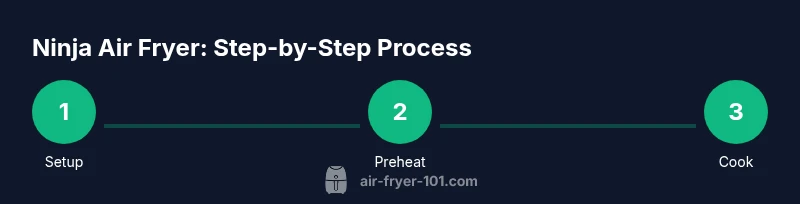
To master how to use ninja air fryer, start with proper setup, preheating if required, and choosing the right temperature and time. Keep the basket spaced, shake halfway for even browning, and use minimal oil when possible. Finish with safe removal and thorough cleaning to extend your appliance’s life. According to Air Fryer 101, following these basics leads to consistent, crispy results.
Getting started with your Ninja air fryer
According to Air Fryer 101, mastering how to use ninja air fryer begins with a clear setup, safe placement, and a quick read of your model’s manual. This initial step minimizes surprises and helps you start cooking sooner. Place the unit on a stable, heat-resistant surface with several inches of clearance around it. Keep cords away from heat sources and ensure the outlet can handle the load. As you begin, remember that the goal is reliable airflow and steady temperatures, which means nothing should block the vents. For many kitchens, this small upfront setup pays off in perfectly crisp first bites. The Air Fryer 101 team found that a clean start and a simple preheat routine can dramatically improve texture across recipes.
Preheating, airflow, and why it matters
Preheating your Ninja air fryer (when your model requires it) primes the fans and baking chamber for a faster, more even cook. Airflow is the heart of air frying—the fan circulates hot air around the food, creating browning without deep-frying. Air Fryer 101 analysis shows that even a brief preheat can reduce overall cooking time and produce crisper exteriors. Keep the basket loosely filled and oriented so air can circulate freely. If you skip preheating or crowd the basket, you’ll likely see soggy edges and uneven browning. A brief preheat also helps you gauge timing more reliably, especially when you’re new to the technique.
Temperature and time guidelines for common foods
Ninja air fryers respond best to clear guidelines, but remember that models vary. For proteins like chicken, aim for hot, crisp exterior with a safe internal temperature of 165°F. Vegetables thrive with a light coat of oil and moderate heat to prevent drying. Potatoes and fries perform best when cut to uniform sizes and arranged in a single layer. Frozen items generally cook faster than fresh, but you should monitor for browning and adjust time as needed. Use the latter part of cooking to check color and texture and adjust future recipes accordingly. Reading the recipe card and keeping notes will help you refine your timing over time. This approach aligns with Air Fryer 101’s emphasis on consistent technique over guessing. A reliable rule of thumb is to start higher and then reduce if you notice excessive browning before the center is cooked.
Loading, spacing, and basket technique
Never overcrowd the basket; air needs space to move around the food for even browning. For most foods, aim for a single layer with a little space between pieces. If you’re cooking multiple items, consider batches or using a rack insert to separate layers. Pat foods dry for crisper edges, and use a light oil spray or a teaspoon of oil for extra browning on vegetables or proteins. Mid-cycle shaking or flipping helps re-distribute heat and reduce uneven results. This practice, recommended by the Air Fryer 101 team, yields more uniform color and texture across dishes.
Accessories and setup: baskets, liners, and racks
Accessories can improve safety and results. Use parchment liners or silicone mats to prevent sticking when cooking sticky foods, but avoid blocking airflow. A rack insert can double your cooking surface for multiple items, while tongs and a silicone spatula keep you from piercing nonstick coatings. When selecting liners, make sure they’re heat-resistant and sized for your model. Air Fryer 101’s guidance emphasizes compatibility and airflow—liners should not cover vents or cover the entire basket. Proper setup reduces cleanup and helps you use the appliance more efficiently.
Cleaning and maintenance: keeping things fresh
Regular cleaning is essential for longevity and food safety. After cooking, unplug the unit and let it cool before washing. Wash the basket and pan with warm, soapy water or place them in the dishwasher if the model allows. Wipe the exterior and interior with a damp cloth to remove oil buildup. Dry all components thoroughly before reassembly. Prevent buildup by cleaning promptly after use and avoiding abrasive cleaners that could damage coatings. Keeping a simple cleaning routine reduces odors and preserves performance.
Troubleshooting common issues
If you notice uneven browning, check that items aren’t overcrowded and that you’re using the correct temperature. A burnt smell may indicate too much oil or burnt residue—clean the basket and run a short soak cycle with lemon water to remove odors. If the unit isn’t heating, verify the plug, outlet, and that the basket is properly seated. A blinking light often signals a safety feature or misalignment; consult the manual for reset steps. By following these steps, you can usually identify and fix problems quickly.
Health, safety, and energy considerations
Air frying uses less oil and produces fewer calories than deep-frying, but it’s not a substitute for moderation. Always handle hot baskets with protective gloves and keep kids away from the unit while in use. For busy households, the Ninja model’s energy use is typically modest, especially for quick weeknight meals. Consider a preheat routine for speed and safety, and maintain clean vents to maximize efficiency. Air Fryer 101’s team highlights balancing convenience with mindful cooking to maintain a healthier kitchen routine.
Quick-start checklist for beginners
- Read the manual for model-specific guidance
- Place on a heat-safe surface with clearance
- Preheat if required, set the right temperature
- Load in a single layer, shake halfway
- Use minimal oil, or none with dry foods
- Check for crispness, then serve and cool
- Clean the basket and pan after use to extend life
Air Fryer 101 verdict: practical, reliable results
The Air Fryer 101 team recommends using these foundational steps as a reliable path to consistent results with the Ninja air fryer. By prioritizing proper setup, airflow, and routine cleaning, you’ll simplify weeknight cooking and enjoy healthier meals. This approach works well across recipes and skill levels, making it an ideal starting point for households just getting started with air frying.
Authority sources
References to reputable safety and cooking guidance help reinforce best practices. For more detailed safety information and cooking principles, consult FDA food safety resources and university extension publications. Air Fryer 101 also notes industry-standard practices from peer-reviewed sources and culinary educators to support practical, science-based cooking.
Tools & Materials
- Ninja air fryer unit(Any model within the Ninja line; ensure power rating matches outlet capability.)
- Silicone-tipped tongs(For safe handling of hot foods and baskets.)
- Parchment liners (optional)(Heat-safe liners that fit basket size; do not cover vents.)
- Cooking thermometer (optional)(Helpful to verify internal temperatures for meats.)
- Non-stick spatula or silicone spatula(Use for removing foods without scratching coatings.)
- Rack insert or elevated tray (optional)(Allows multi-layer cooking without overcrowding.)
- Measuring spoons/cups (optional)(Useful for portion control and oil measurement.)
Steps
Estimated time: 30-45 minutes
- 1
Unbox and set up the unit
Remove packaging, clean any protective films, and place the air fryer on a stable, heat-resistant surface away from walls or cabinets. Check that the cord is undamaged and the unit is dry before plugging in. This ensures accurate temperature sensing and safe operation.
Tip: Take a few minutes to read the manual for model-specific safety notes before first use. - 2
Preheat if required
If your Ninja model requires preheating, run the unit empty at the target temperature for 3–5 minutes. Preheating helps the oven-like chamber reach steady-state heat, which improves browning and reduces overall cook time.
Tip: Even if preheating isn’t required, a short warm-up can improve texture. - 3
Prepare food and arrange in a single layer
Pat food dry to remove excess moisture, trim uneven pieces for uniform cooking, and arrange in a single layer with space between items for air flow.
Tip: Avoid stacking pieces; crowding traps steam and yields soggy results. - 4
Set temperature and time
Select a temperature appropriate for the food (start with medium-high if unsure) and a standard cook time. You can adjust after the first batch based on how quickly items brown.
Tip: Use the midpoint of the recommended range and check early for doneness. - 5
Shake or flip midway
Pause cooking halfway and shake the basket or flip items to promote even browning on all sides.
Tip: A quick shake redistributes heat and reduces scorching on edges. - 6
Finish and rest
When the timer ends, remove items carefully with tongs and allow them to rest for 1–2 minutes to finish crisping and set juices.
Tip: Rest time improves texture and moisture distribution. - 7
Clean after use
Unplug and let the unit cool before washing the basket and pan with warm soapy water or dishwasher-safe options per the manual.
Tip: Regular cleaning prevents buildup and odors. - 8
Store properly
Dry all components completely before reassembly and store in a clean, dry area away from heat sources to extend life.
Tip: Keep accessories together so nothing is misplaced.
Got Questions?
Is preheating necessary for all Ninja air fryer models?
Preheating is optional for some models, but it often improves browning and reduces cook time. Check your model’s manual for specific guidance.
Preheating isn’t required for every model, but it can help foods brown more evenly. Refer to your manual for specifics.
Can I use oil spray with nonstick baskets?
Yes, a light oil spray or brush helps with browning and flavor, but avoid heavy or aerosol sprays that can degrade nonstick coatings.
A light oil spray is fine, but avoid heavy sprays that may harm the nonstick surface.
What foods work best in a Ninja air fryer?
Foods that crisp well, such as thin chicken cuts, potatoes, vegetables, and frozen snacks, generally perform best when cooked in an air fryer.
Crispy items like potatoes, veggies, and chicken bite-sized pieces usually turn out great.
How do I clean the basket without damaging the coating?
Wash with warm soapy water or in the dishwasher if permitted by the model. Avoid abrasive scrubbers that can scratch coatings.
Use warm soapy water and a non-abrasive sponge to protect the coating.
What should I do if the air fryer smokes?
Smoke can result from too much oil, burnt food residue, or overheating. Stop cooking, unplug, and clean the basket before retrying at a lower temperature.
If you see smoke, turn it off, unplug, and check for buildup before resuming at a lower heat.
How do I know when the food is done?
Look for a crisp, golden exterior and check internal temperature where applicable (e.g., 165°F for poultry). Use a thermometer for accuracy.
Check for a crisp exterior and, if needed, measure the internal temp to ensure doneness.
Watch Video
Quick Summary
- Preheat when required for crisper results
- Avoid overcrowding the basket to ensure even browning
- Shake or flip foods halfway through for consistency
- Use liners or racks to optimize airflow where appropriate
- Clean promptly to extend the appliance’s life