How to Air Fry Already Cooked Shrimp: A Simple, Safe Method
Learn to reheat and crisp pre-cooked shrimp in an air fryer without drying them out. This guide covers temps, times, seasoning ideas, safety tips, and serving ideas for tasty results.


Reheat and crisp already cooked shrimp in an air fryer for a quick, tasty result. This guide covers safe temperatures, short cook times, and practical tips to prevent rubbery texture. You’ll learn prep steps, light seasoning ideas, whether to thaw frozen shrimp, and how to know when the shrimp are warmed through without overcooking. Air Fryer 101 recommends starting with a light spray of oil and a single layer for best air circulation.
Why Air Fryer Reheating Shrimp Makes Sense
According to Air Fryer 101, reheating already cooked shrimp in an air fryer is a smart move because it restores texture with minimal added fat. Compared with microwaving, air frying helps re-create a light, crisp exterior while retaining moisture inside. It’s also faster than traditional oven reheating and easier to control than pan-frying, which can add unnecessary grease. This approach works well for shrimp of any size, whether tails are on or off, as long as you follow sensible temperature and time guidelines. In this section we’ll lay the groundwork for turning leftovers into something fresh and appealing rather than rubbery recooked meat.
Good results hinge on understanding two core ideas: moisture management and surface crispness. The shrimp should be warmed through without drying, and the exterior should gain a pleasant bite. A light touch of oil helps with browning but isn’t required for all diets. Air Fryer 101’s testing indicates that even modest oil can improve texture without turning the dish greasy. Keep expectations realistic: cooked shrimp reheat quickly, so watch closely to preserve tenderness. This method is ideal for quick weeknight meals, lunch prep, or weekend leftovers in need of rejuvenation.
Core Principles for Reheating Shrimp in an Air Fryer
Reheating shrimp successfully in an air fryer relies on a few non-negotiables. First, avoid overcrowding the basket; air needs to circulate around each piece for even browning. Second, pat shrimp dry if they’ve released moisture during storage to prevent soggy surfaces. Third, a light oil coating or spray helps promote browning without making the dish heavy. Finally, aim for a brief, high-quality heat that warms the inside while crisping the outside. These principles work across different air fryer models and batch sizes, though you may adjust times slightly depending on your device’s wattage and basket design.
To maximize flavor, consider adding a simple seasoning mix before reheating or a quick glaze after warming. Most people notice a crisper texture when the shrimp are spread out in a single layer rather than stacked. If you’re starting with frozen pre-cooked shrimp, allow extra minutes for thawing and patting dry before air frying to avoid extra moisture.
Temperature Ranges and Cooking Times
When reheating cooked shrimp, temperature and time are the two levers you’ll use to control texture. A common starting point is 350°F (175°C) for 3–5 minutes, checking for warmth and slight browning. For larger or thicker shrimp, you may extend to 375–400°F (190–204°C) for 4–6 minutes, flipping halfway to ensure even heat. If you’re working with pre-seasoned shrimp, reduce additional oil and let the spices influence the surface. Always use a single layer to maximize air circulation and avoid steam-softened edges. Remember: shrimp cook quickly, so short intervals with monitoring are safer than long, continuous reheating.
Personal preference plays a role: for ultra-crisp edges, you can bump to 400°F for 2–3 minutes at the end, but watch carefully to prevent overcooking. If you’re unsure, start lower and test after the first 2 minutes. The goal is warmed-through shrimp with a lightly crisp exterior rather than a fully fried texture.
Prepping Cooked Shrimp for Crisp Finish
Prep is simple but crucial. Start by patting the shrimp dry to remove surface moisture, which can steam and soften the exterior. If the shrimp feel dry already, you can apply a very small amount of oil or a light spray to aid browning. For best results, arrange shrimp in a single layer with space between pieces so the hot air can reach every surface. If your shrimp are pre-marinated or pre-sauced, consider whether extra oil is needed; dipping sauces can be added after reheating. Finally, shake the basket or flip the shrimp halfway to promote uniform crispiness across all sides.
A quick note on flavors: lemon zest, garlic powder, paprika, or a pinch of chili flakes can lift a bland reheated shrimp without adding heavy fats. Always taste after cooking and adjust seasonings accordingly. Air Fryer 101 finds that light seasonings paired with fresh herbs provide a brighter finish than heavy sauces on reheated shrimp.
Flavoring Options: Seasonings, Sauces, and Glazes
Seasoning cooked shrimp before reheating is a simple way to enhance flavor. Classic options include lemon zest, garlic powder, smoked paprika, and a pinch of sea salt. If you prefer a bit of heat, try a dash of cayenne or chili flakes. For a glossy finish, glaze with a light lemon-butter or olive oil-Herb mix after reheating. Minimal sauces perform best when lightly brushed on the surface so they don’t pool or burn in the air fryer. If using a glaze, apply in the final minute and monitor to avoid burning.
Remember, pre-seasoning can dramatically improve taste, but avoid heavy marinades, which can create extra moisture that inhibits browning. For dairy-based sauces, serve on the side to maintain texture. The goal is a bright, well-seasoned shrimp that feels freshly cooked, not reheated.
Step-by-Step Overview: What to Expect During Reheating
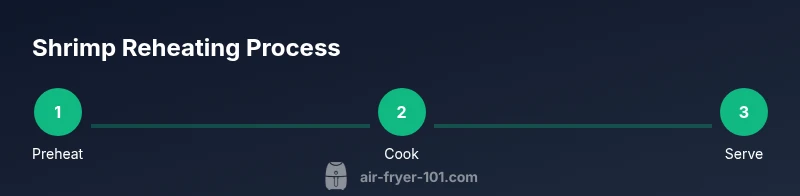
The air frying process for already cooked shrimp is quick and straightforward. First, preheat the air fryer if your model requires it. Then prepare the shrimp: pat dry, lightly oil, and season. Place the shrimp in a single layer, ensuring they’re not touching. Start the cook cycle, typically 3–5 minutes at 350°F, flipping halfway for even browning. Finally, assess texture and warmth; if needed, finish with a brief 1–2 minute blast at a higher heat for extra crispiness. Serve immediately for the best texture.
The key is to monitor closely; reheating shrimp is a brief operation and overdoing it can lead to rubbery texture. If you’re cooking a large batch, do multiple batches rather than stacking, which can compromise airflow and finish.
Common Mistakes and How to Avoid Them
Overcrowding is one of the top mistakes when reheating shrimp. It blocks air from circulating, leading to uneven heating and soggy spots. Another frequent error is under-drying shrimp before air frying; moisture at the surface inhibits browning and crisping. Also, using too much oil can make the shrimp oily instead of crisp. Finally, don’t rely on time alone; every air fryer is different, so check texture and warmth early and adjust accordingly. By avoiding these missteps, you’ll consistently achieve a tasty, crisp finish.
Serving Ideas and Quick Sauces
Once your shrimp are hot and crisp, consider light, bright accompaniments. A squeeze of fresh lemon, chopped parsley, or a simple garlic butter drizzle can elevate the dish without masking the shrimp flavor. For dipping sauces, offer a yogurt-lemon dip, a low-fat aioli, or a tangy salsa for a fresh contrast. Pair with a crisp side such as a green salad, quinoa, or steamed vegetables to balance the meal. If you’re meal-prepping, portion into small containers with a compact sauce on the side so each reheating retains texture.
Cleaning Your Air Fryer After Shrimp
After cooking, unplug the air fryer and let it cool. Remove the basket and wash with warm soapy water, using a non-abrasive sponge to avoid scratching the nonstick surface. Wipe the interior with a damp cloth, removing any residue from seasonings or oil. For stubborn bits, soak the basket briefly in warm water. Dry all parts thoroughly before reassembling. Regular cleaning helps maintain airflow and overall performance and prevents flavor transfer between recipes.
Getting the Best Results Across Different Air Fryer Models
Different models have slightly different heat distribution and basket design. If your device runs hot or cooks unevenly, consider lowering the temperature by 25°F (about 15°C) and shortening the cook time by 1–2 minutes. Conversely, if your shrimp aren’t crisp enough, a second brief blast at a higher temperature can help. For models with multiple racks, cook in a single layer and rotate the pan or basket halfway. With a little experimentation, you can optimize results regardless of brand or wattage.
Tools & Materials
- Air fryer(Any wattage model works; preheating may be optional depending on hardware.)
- Already cooked shrimp(Thaw frozen shrimp if needed and pat dry.)
- Oil or cooking spray(A light spray helps browning; use sparingly for a healthier result.)
- Paper towels(Pat dry shrimp and blot excess moisture.)
- Mixing bowl(For tossing with oil and seasonings.)
- Tongs(Turn shrimp halfway through cooking.)
- Optional lemon wedges(Finish with fresh citrus for brightness.)
Steps
Estimated time: 8-12 minutes
- 1
Preheat the air fryer
If your model requires preheating, set the temperature to 350°F (175°C) and allow 3 minutes. Preheating helps heat distribute evenly and reduces cooking time. This step ensures a more consistent finish.
Tip: Preheating is especially helpful for small, tender shrimp. - 2
Pat dry the shrimp
Gently pat the shrimp dry with paper towels to remove surface moisture. Moisture on the surface can steam the exterior, preventing browning and crispness.
Tip: Less moisture equals a crisper result. - 3
Lightly coat with oil
Toss the shrimp in a small amount of oil or spray lightly to promote browning without greasiness. Avoid heavy coatings that will make the finish heavy.
Tip: Even a light spray yields better browning. - 4
Arrange in a single layer
Place shrimp in a single layer in the basket or on the tray, giving space between pieces for hot air to circulate.
Tip: Do not crowd; air needs to circulate. - 5
Air fry and shake halfway
Cook at 350°F for 3–5 minutes, then shake or flip the shrimp and continue for another 2–3 minutes. Short breaks allow even browning.
Tip: Check early; shrimp cook quickly. - 6
Check warmth and texture
If the shrimp aren’t fully warmed, add 1–2 minutes at 350°F and test again. Target a warm center with a crisp outer edge.
Tip: Overcooking leads to rubbery texture. - 7
Season after reheating
If you didn’t season before cooking, toss with a pinch of salt, pepper, or a light glaze after reheating.
Tip: Seasonings stick best when applied after cooking. - 8
Serve immediately
Transfer to a serving dish and add lemon or herbs if desired while hot for best flavor.
Tip: Fresh citrus boosts brightness. - 9
Clean up promptly
Let the air fryer cool, then wash the basket and tray to prevent residue buildup that can affect future batches.
Tip: A quick rinse prevents lingering smells.
Got Questions?
Can I use frozen pre-cooked shrimp in an air fryer?
Yes, you can, but thaw and pat dry first to remove excess moisture. Frozen shrimp may take slightly longer to heat through and can be uneven if not thawed. Patting dry helps achieve a better crisp.
Yes, you can use frozen pre-cooked shrimp, but thaw and pat dry first for even reheating and crisp texture.
Should I thaw shrimp before air frying?
Thawing helps with even heat distribution and prevents extra moisture from steaming the surface. If you’re in a hurry, you can cook from frozen but expect less crispness and slightly longer cook time.
Thawing helps with even heating and crisp results; if you’re short on time, you can cook from frozen but adjust time and watch closely.
What temperature should I use to reheat shrimp?
A good starting point is 350°F (175°C). Depending on size, you may go up to 375–400°F for 3–6 minutes total. Always monitor and adjust to avoid overcooking.
Start at 350°F and adjust up to 375–400°F if you need a bit more browning; monitor closely.
How can I tell if the shrimp are heated through safely?
Shrimp are safe when thoroughly warmed and firm to the touch. The center should be hot, and there should be a light browning on the exterior. If in doubt, 1–2 extra minutes at a lower heat can finish the job.
Make sure the center is hot and the exterior is lightly browned; if unsure, reheat briefly and test again.
Can I add butter or rich sauces before air frying?
Use light coatings only; heavy butter sauces can burn and overpower the shrimp. If you want butter flavor, apply a small amount after cooking or serve with a side dipping sauce.
Avoid heavy butter before cooking; add light sauce after reheating if you want flavor.
How long will cooked shrimp keep in the fridge?
Store cooked shrimp in a shallow, airtight container in the fridge for up to 3 days. Reheat promptly before serving for best texture and safety.
Keep it up to three days in the fridge and reheat before eating.
Can I reheat shrimp in batches?
Yes, reheating in smaller batches helps maintain even temperature and crispness. Avoid stacking portions; air needs to reach each piece.
Yes, reheat in batches to keep texture even and avoid sogginess.
Is it better to dust shrimp with cornstarch or flour?
A light dusting of cornstarch can improve crispness without adding heaviness. Use a tiny amount, as too much can create a chalky texture.
A light cornstarch dusting can help crispness without extra fat.
Watch Video
Quick Summary
- Preheat when required to distribute heat evenly.
- Pat dry and space shrimp for crisp edges.
- Cook briefly at low-to-moderate heat and check early.
- Season after heating for best surface flavor.
- Serve immediately for optimal texture.