How to Cook Frozen Shrimp in an Air Fryer
Learn how to cook frozen shrimp in an air fryer with a simple, step-by-step method for crispy texture, safety tips, and tasty serving ideas—perfect for quick weeknight meals.


You can cook frozen shrimp in an air fryer by preheating, tossing with a light coating of oil and seasonings, then cooking at 400°F for 8–12 minutes. Shake the basket halfway, then check that the shrimp are opaque and pink and reach a safe internal temperature before serving. For best results, pat dry, avoid overcrowding, and adjust time for larger shrimp.
Why frozen shrimp in air fryer is a game changer
According to Air Fryer 101, frozen shrimp in the air fryer is a game changer for home cooks who want quick, crisp results with minimal oil. The countertop appliance uses hot air to brown the surface while preserving moisture inside, delivering shrimp that are pink, opaque, and juicy. Cooking from frozen saves time by skipping thawing steps and reduces mess compared with pan-frying. The key is to start with a hot, lightly oiled surface and to avoid overcrowding the basket so air can circulate around each piece. This ensures even browning rather than soggy patches. For best results, choose shrimp that are uniformly sized and free of ice glaze, pat them dry if needed, and season lightly to enhance flavor without weighing them down. Whether you’re aiming for a quick lunch, a protein boost for bowls, or a tasty snack, the air fryer makes frozen shrimp a dependable option with consistent texture and speed.
According to Air Fryer 101 Team, the method scales well from single portions to larger batches, provided you work in batches that allow air to circulate freely.
Shrimp sizes, coatings, and flavor companions
Shrimp come in various sizes from small to large, and in the air fryer size affects cooking time. Smaller shrimp cook faster and can brown quickly, while larger pieces need a few extra minutes to reach the same interior doneness. Coatings are optional; a light spray of oil helps seasonings stick and promotes browning, whereas breadcrumbs or grated parmesan add extra crunch if you want a crispy crust. If you prefer the shrimp’s natural flavor, a simple dusting of salt, black pepper, garlic powder, and paprika can be enough. For variety, try a pinch of chili flakes, lemon zest, or dried herbs. Be mindful of glazes or marinades: thick sugary sauces can caramelize and burn more easily, so keep coatings light when cooking from frozen. A light coat of cornstarch or almond flour can boost crispiness. If your shrimp are ice-coated, patting them dry will help seasonings adhere and prevent soggy surfaces.
Pre-cooking safety and handling frozen shrimp
Handle frozen shrimp with clean hands and use separate cutting boards if you’re also prepping other foods. It’s generally best to cook shrimp directly from frozen for minimal moisture loss and to avoid ice crystal meltdown that can soggy coats. If you choose to thaw, do so safely in the refrigerator or under cold running water, then pat dry before cooking; be aware that thawed shrimp may cook faster. Never refreeze thawed shrimp. When handling, wash hands, utensils, and surfaces after contact with raw seafood to avoid cross-contamination. Use a thermometer to verify doneness if you want extra precision, aiming for a safe interior temperature according to local guidelines. If you’re cooking in batches, keep finished shrimp warm in a low-temp oven or serve immediately to preserve texture.
Step-by-step cooking workflow for consistent results
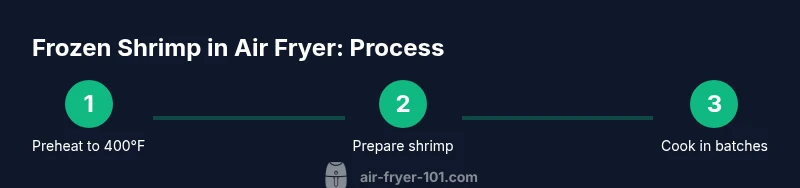
The following workflow is designed for reliable results across common air fryer models. It assumes you’re cooking from frozen and avoiding overcrowding for even browning. Preheat the air fryer to 400°F (204°C) for 2–3 minutes. Pat shrimp dry and lightly coat with oil, then season to taste. Arrange in a single layer with space between pieces. Cook for 6–8 minutes, shake or flip, then cook an additional 4–6 minutes until they are opaque and pink. If using larger shrimp, add 1–2 minutes as needed. Let rest 1–2 minutes before serving to finish the texture.
Troubleshooting: common issues and fixes
If shrimp are soggy, ensure you’re not overcrowding the basket and there’s adequate airflow. For uneven browning, shake more frequently or rearrange pieces mid-cook. If the exterior looks burnt before the interior is cooked, reduce cooking time slightly or use a shorter cook interval coupled with a final brief bake. For bland results, finish with a squeeze of lemon and a dusting of salt or a light sprinkle of paprika. If you notice ice glaze, pat dry before applying oil and seasonings to improve adhesion. Remember: smaller shrimp need less time, while larger ones require a bit more heat and a longer final phase.
Flavor ideas and variations
Experiment with different seasoning blends to keep frozen shrimp interesting. Classic options include garlic powder, smoked paprika, onion powder, and a pinch of cayenne for heat. A lemon-garlic butter finish adds brightness and richness. For a healthier twist, skip breadcrumbs and rely on a whisper of oil and salt. A touch of grated parmesan in the last minute can create a cheesy crust. If you’re serving with dipping sauces, consider a bright chimichurri, lemon aioli, or a simple garlic butter sauce. The goal is to balance sea-salty shrimp with tangy, zippy accompaniments.
Serving ideas and sides
Air-fried shrimp pair well with light sides like steamed vegetables, quinoa bowls, or a fresh green salad. For a quick canapé, thread shrimp on skewers and serve with a citrus dipping sauce. They also make a great topping for salads, tacos, or rice bowls. If you want a heartier option, add them to a stir-fry with vegetables and a splash of soy sauce. For kids, keep flavors mild with a hint of butter and garlic; for adults, add zesty dips and herbs.
Cleaning, storage, and make-ahead tips
Allow the air fryer to cool before cleaning. Remove the basket, wash with warm soapy water, and dry completely to prevent sticking. Store any leftovers in an airtight container in the refrigerator for up to 2 days; reheat briefly in the air fryer for best texture. If you pre-cooked extra shrimp, reheat in short intervals and avoid overcooking to maintain tenderness. Freezing cooked shrimp is not ideal for texture, so plan portions to minimize waste.
Tools & Materials
- Air fryer(Any capacity works; larger batches may require multiple runs)
- Paper towels(For patting dry ice glaze and moisture)
- Oil spray or light neutral oil(Helps crisp and brown, use sparingly)
- Tongs or spatula(Safe handling and turning)
- Meat thermometer(Optional, helps verify doneness)
- Small bowl for seasoning(Useful for tossing evenly)
- Seasoning set (salt, pepper, garlic powder, paprika)(Flavor foundation)
- Lemon wedges (optional)(Brighten flavor)
Steps
Estimated time: 15-20 minutes
- 1
Preheat the air fryer
Set the air fryer to 400°F (204°C) and allow it to preheat for 2–3 minutes. Preheating helps start browning immediately and ensures even cooking across the batch.
Tip: Preheating reduces overall cook time and prevents sticking. - 2
Prepare the frozen shrimp
Open the bag and, if ice glaze is present, pat the shrimp dry with paper towels. Lightly coat with oil or spray and season with a simple mix (salt, pepper, garlic powder, paprika).
Tip: Drying the surface improves adhesion of the seasoning and achieves crisper edges. - 3
Arrange in a single layer
Place shrimp in a single layer in the air fryer basket or on a perforated tray, leaving space between pieces for air circulation.
Tip: Overcrowding creates steaming instead of browning. - 4
Cook and shake
Cook for 6–8 minutes, then shake or flip the shrimp and cook for another 4–6 minutes until opaque and pink.
Tip: Shaking halfway ensures even browning on all sides. - 5
Check doneness
Inspect the shrimp; they should be opaque, pink, and slightly firm. If using a thermometer, aim for about 120–145°F (49–63°C) depending on thickness.
Tip: If underdone, return to the fryer for 1–2 minutes more. - 6
Rest and serve
Let the shrimp rest for 1–2 minutes to finish their juiciness, then serve with lemon wedges or a dipping sauce.
Tip: Resting improves texture and taste distribution.
Got Questions?
Can I cook thawed shrimp in the air fryer?
Yes, thawed shrimp can be cooked in the air fryer, but it typically cooks faster, so reduce the time by 1–2 minutes and monitor closely to avoid overcooking.
Thawed shrimp can be cooked in the air fryer, but watch the time and start with 1–2 minutes less than you would for frozen.
What temperature and time yield the best results?
A common and reliable setting is 400°F for 8–12 minutes, depending on shrimp size. Always check for opacity and pink color to determine doneness.
Try 400 degrees for 8 to 12 minutes, then check that they’re opaque and pink.
Should I leave tails on or off?
Tails can stay on if you prefer easier handling and a presentable bite. If you want a clean bite or plan to dip, you may remove tails before cooking.
Keep tails on if you want easier handling, or remove them for dipping and cleaner bites.
How should leftovers be stored and reheated?
Store cooked shrimp in an airtight container in the refrigerator for 1–2 days. Reheat briefly in the air fryer for 1–2 minutes to restore texture.
Store in the fridge for 1–2 days and reheat briefly in the air fryer.
Can I use frozen breaded shrimp in the air fryer?
Yes, but breaded varieties may require a shorter cook time or lower heat to avoid burning the coating. Start with 375°F and monitor closely.
Breaded shrimp can work; start at 375 and watch closely so the coating doesn’t burn.
How does air-frying compare to oven baking for shrimp?
Air frying generally delivers crisper edges and faster results due to higher surface heat and convection. The oven may require longer cook times and can be less consistent for small pieces.
Air frying usually gives crisper edges and faster results than an oven.
Watch Video
Quick Summary
- Cook from frozen for speed and convenience
- Preheat and avoid crowding for crispiness
- Season lightly and tailor time by shrimp size
- Check color and texture; use a thermometer if needed
- Rest briefly before serving