Frozen Chicken Tenderloins in Air Fryer: Easy Guide
Learn to air fry frozen chicken tenderloins with confidence. This step-by-step guide covers preheating, seasoning, timing, doneness checks, and cleanup for crispy, juicy results every time.


You will learn to cook frozen chicken tenderloins in an air fryer from start to finish, including preheating, seasoning, how long to cook, and how to check for doneness. You’ll see timing guidelines, crisping tips, and safety reminders for best results. This quick answer helps you achieve juicy interior and crispy exterior with minimal effort.
The science behind air frying frozen chicken tenderloins
Air fryers use rapid convection to circulate hot air around food, producing a crisp exterior with little or no added oil. Frozen chicken tenderloins cook more quickly in this environment than in a traditional oven because the circulating air heat browns the surface fast while sealing in moisture. Expect a golden crust and juicy center when you start with evenly sized pieces and avoid overcrowding the basket. For best results, choose tenderloins that are roughly uniform in thickness so they cook evenly and don’t dry out on the thinner ends. A light spray of oil can help encourage browning, but it isn’t mandatory; the goal is crisp, not greasy. When done well, frozen tenderloins in the air fryer deliver a convenient, healthier alternative to pan-frying while keeping flavor intact.
Healthier cooking with air fryers is a common motivator for home cooks, and the technique translates across many models. If you’re new to air frying, remember that different brands and basket sizes may heat a bit differently. Start with a conservative temperature and time range, then adjust on subsequent batches based on how brown and juicy you prefer the result.
Thawing vs cooking from frozen: what works best
Many home cooks wonder whether to thaw first or cook straight from frozen. For tenderloins, cooking from frozen saves time and minimizes handling, reducing the risk of bacterial growth during thawing. Thawed meat can yield a more even texture, but it requires planning ahead and careful drying to avoid steaming in the basket. If you do thaw, pat them dry and remove any ice crystals to promote browning. If you’re cooking from frozen, plan for a slightly longer cook time and expect a bit more moisture release at the end. In either case, avoid overcrowding the basket; space ensures air can circulate and create that signature crisp.
Preheating and basket loading for even crisp
Preheating a few minutes before cooking helps the surface temperature rise quickly, enabling faster browning. Set your air fryer to the target cooking temperature before loading the basket. Arrange tenderloins in a single layer with a little space between pieces; overlap invites steaming instead of browning. If you have many tenderloins, cook in batches rather than stacking, which compromises airflow and texture. Lightly oil the surface or spray with a cooking spray if you want a crisper crust, especially on the thinner pieces. Finally, insert the basket gently to avoid disturbing the coating and to maintain even contact with the hot surface.
Seasoning and coating options for frozen tenderloins
Seasoning from frozen often sticks better than you might expect, particularly if you add a light spray of oil. Classic salt and pepper work well, and adding garlic powder, paprika, onion powder, or a pinch of cayenne can elevate flavor without needing a glaze. For a crisper exterior, consider a thin breadcrumb or panko coating, applied sparingly so it adheres during cooking. If you prefer a simpler approach, toss the tenderloins with a small amount of olive oil and your favorite dry seasoning blend before placing them in the air fryer. Always avoid heavy wet marinades on frozen meat, which can lead to soggy results.
Time, temperature, and a reliable method
A common starting point is 360–380°F (182–193°C) for 8–12 minutes, flipping or shaking halfway through. Smaller or thinner pieces may finish closer to 8 minutes, while thicker tenderloins benefit from up to 12 minutes. If you’re unsure, start with the lower end of the range and check for doneness at the 8-minute mark. The goal is an internal temperature of 165°F (74°C) with a crisp, browned exterior. Keep a thermometer handy and avoid guessing based on color alone, as color is not a reliable indicator of safety.
Doneness, safety, and resting
Always verify doneness with a meat thermometer inserted into the thickest part of the tenderloin. The USDA recommends 165°F (74°C) for poultry. After removing from the air fryer, let the tenderloins rest for 2–3 minutes to reabsorb juices; this also helps finish cooking and improves texture. If you cut into the meat and see pink near the center, return it to the air fryer in 1–2 minute increments until it reaches the safe temperature. Resting also prevents juices from running out, keeping the meat moist.
Troubleshooting common mistakes
Overcrowding the basket is the most frequent cause of uneven browning and soggy spots. If you notice uneven color, remove some pieces and continue cooking in batches. Another common error is using too much oil, which can lead to greasy surfaces rather than crispiness. If your tenderloins are small, 1–2 minutes of additional cook time can make a big difference; check frequently to avoid drying out. Finally, do not rely on color alone to judge doneness—use a thermometer for a reliable result.
Cleaning up and maintenance tips
After cooking, let the basket cool slightly before washing. Use warm, soapy water to remove any residue; avoid harsh scrubbing that could scratch nonstick surfaces. If you notice a persistent burnt-on film, soak the basket briefly and scrub with a non-abrasive sponge. Regularly check seals and gaskets for wear, and wipe away any oil buildup to keep air flow unobstructed. Proper cleaning extends the life of your air fryer and ensures consistent results.
Quick recap: practical takeaways
- Cook frozen tenderloins in a single layer with space for air to circulate.
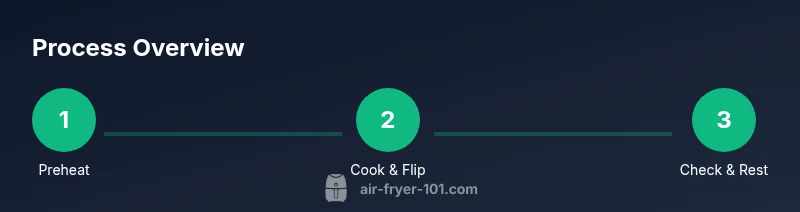
- Preheat, then cook at 360–380°F for 8–12 minutes, flipping halfway.
- Use a thermometer to verify 165°F internal temperature.
- Rest briefly before serving for juicier results.
- Clean the basket and tray after each use to maintain performance.
Tools & Materials
- Air fryer(Any model with a temperature control and timer will work)
- Tongs or spatula(Gentle grip for flipping without dislodging coating)
- Meat thermometer(Prefer an instant-read probe)
- Oil spray or light oil(Optional for extra browning; use sparingly)
- Parchment liners or silicone mat(Optional to reduce cleanup; ensure liners fit the basket)
Steps
Estimated time: Total time: 15-22 minutes (varies by model and tenderloin size)
- 1
Preheat the air fryer
Set the air fryer to 360–380°F (182–193°C) and allow it to preheat for about 3 minutes. Preheating ensures the surface is hot enough to begin browning immediately when the tenderloins are added. This helps achieve a crisp exterior with a juicy interior.
Tip: If your model lacks a preheat setting, run at temperature for 3 minutes before adding the tenderloins. - 2
Arrange tenderloins in a single layer
Place the frozen tenderloins in the basket in a single layer. Do not stack or overlap pieces, as crowding traps steam and prevents browning. If you have more pieces, cook in batches.
Tip: Leave at least a 1/2 inch (1 cm) of space between pieces for even air circulation. - 3
Lightly season or oil
Spray a light coating of oil on the tenderloins or brush with a small amount of oil. Season with salt and a basic mix of garlic powder, paprika, and pepper if desired. The oil helps with browning, but it’s optional for a lower-fat result.
Tip: Use a dry spice blend if you prefer not to use oil, especially on very lean pieces. - 4
Cook and shake halfway
Cook for 8–12 minutes, depending on thickness, then shake or flip the tenderloins halfway through to promote even browning. Thinner pieces may finish sooner, thicker pieces may require the full 12 minutes.
Tip: If your air fryer runs cool, consider adding 1–2 minutes at the end and check frequently. - 5
Check doneness with a thermometer
Use an instant-read thermometer to verify the thickest part reaches 165°F (74°C). If not, return to the basket and cook in 1–2 minute increments until safe temperature is reached.
Tip: Don’t rely on color alone; temperature is the reliable safety indicator. - 6
Rest briefly before serving
Remove tenderloins and let them rest for 2–3 minutes. Resting helps redistribute juices and improve texture.
Tip: Resting for a few minutes makes the meat juicier and easier to cut. - 7
Optional finish for extra crisp
If you want extra crunch, return the tenderloins to the air fryer for an extra 1–2 minutes after resting. Monitor closely to avoid overcooking.
Tip: Short, careful bursts prevent drying out the meat. - 8
Clean up thoroughly
Let the basket cool, then wash with warm soapy water. Wipe the exterior and ensure any oil buildup is removed to maintain air flow and performance.
Tip: Regular cleaning extends the life of the air fryer and keeps results consistent.
Got Questions?
Can I cook frozen chicken tenderloins directly in the air fryer without thawing?
Yes. Cooking from frozen saves time and reduces handling. Expect a slightly longer cook time and a bit more moisture release, but temperature and safety remain the same—aim for 165°F internal temperature.
Yes. You can cook them from frozen; just plan for a longer cook and check for doneness with a thermometer to ensure safety.
What temperature should I use for frozen chicken tenderloins in an air fryer?
A good starting point is 360–380°F (182–193°C). Adjust up or down by a few degrees based on your model and desired crispness. Higher temperatures brown faster but risk drying the meat if overdone.
Try 360 to 380 degrees for a crisp outside and juicy inside; adjust to your air fryer’s behavior.
How long do frozen chicken tenderloins take in the air fryer?
Typically 8–12 minutes, depending on thickness. Start at the lower end, then shake halfway and check internal temperature. Thicker pieces may need a minute or two more.
Most batches finish in under 12 minutes; shake halfway and check for 165°F.
Should I thaw the tenderloins before air frying?
Thawing is optional for tenderloins. Thawed meat browns evenly but requires planning, while frozen meat saves time. Either way, verify doneness with a thermometer.
Thawing isn’t required; you can cook from frozen and still get good results with proper timing.
Is it safe to stack tenderloins in the air fryer basket?
No. Stacking leads to uneven cooking and soggy areas. Cook in a single layer and in batches if needed to keep air flow consistent.
Don’t stack; cook in a single layer or in batches to get even browning.
Do I need to oil or bread frozen tenderloins?
Oiling lightly can improve browning, but it’s optional. If you want a crisp breadcrumb crust, apply a light coating of breadcrumbs before cooking.
A light spray helps browning; breadcrumbs can add extra crunch if you like.
Watch Video
Quick Summary
- Cook frozen tenderloins in a single layer with space for air flow.
- Preheat, then cook at 360–380°F for 8–12 minutes, flipping halfway.
- Verify doneness with a 165°F thermometer and rest briefly before serving.
- Clean the basket after cooking to maintain performance and flavor.