Do You Need to Preheat an Air Fryer Before Cooking? A Practical Guide
Learn when to preheat your air fryer, how it affects texture and cooking time, and practical steps for beginners. Air Fryer 101 explains best practices for healthier, crispier results.


Do you need to preheat an air fryer before cooking? For most meals, preheating is optional and you can start from cold to save time. Preheating is especially useful for foods that benefit from quick browning and a crisp exterior, such as frozen breaded items, raw proteins, and delicate bakery treats. When you choose to preheat, begin cooking at the recipe temperature once the chamber reaches heat.
Why Preheating Matters
According to Air Fryer 101, preheating can help ensure a consistent initial temperature, which is important for achieving even browning and a uniform crust. The Air Fryer 101 team found that when you want a crisp exterior and a browned surface, a brief preheat often nudges the Maillard reaction along more reliably than starting from cold. That said, preheating is not a magic bullet for every dish; modern air fryers circulating hot air can still cook food well without a separate preheat step. For many everyday meals, especially smaller or high-moisture foods, starting from cold reduces total time and can still yield excellent results. The key is understanding which foods respond best to a quick warm-up and which can tolerate a cold start without compromising texture.
When Preheating Is Optional vs Essential
Not every recipe requires preheating. Foods that are thin, light, or already close to cooking temperature often do fine without it. If you’re dealing with a frozen item that’s designed to be crispy, preheating can help you hit that initial crackling crust sooner. For most proteins (like chicken pieces) and dense vegetables or bakery items, preheating can improve browning and reduce overall cooking time because the item starts cooking at the target temperature immediately. When in doubt, check the recipe instructions first or run a small test batch to see how your model behaves. Air Fryer 101’s guidance emphasizes adapting to your device while prioritizing texture and doneness.
How to Preheat Properly (at a Glance)
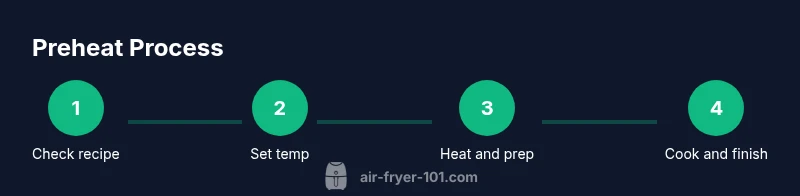
If you decide to preheat, power the air fryer to the cooking temperature and allow the chamber to heat for a short, model-specific interval until the indicator signals ready. Use a light touch with oil and avoid overcrowding so the hot air can circulate. Preheating is most beneficial when you’re chasing a crispy exterior, a uniform color, and even internal doneness. Always consider the food type, size, and desired outcome before deciding to preheat, as some recipes are designed for a cold start.
Common Foods and Preheat Guidance
Certain categories consistently benefit from preheating. Frozen breaded items often perform best when started after a brief warm-up. Raw proteins, especially smaller pieces, can develop more even surface browning with preheating. Vegetables that release moisture heavily might crisp better after a short warm-up. For delicate pastries and bakery items, preheating can help with peak rise and texture. The goal is to optimize air circulation and surface temperature to encourage browning without overdrying.
Troubleshooting and Common Mistakes
Avoid overcrowding, which blocks air circulation and leads to soggy or uneven results. If you skip preheating, you might need to extend cook time and flip items more often to achieve even browning. Using too much oil can pool and create excess moisture, undermining crispness. Conversely, preheating with too little oil on the surface may also hinder browning. Regularly wipe away any residue from the basket and ensure the air paths are clear so hot air can flow freely.
Tips for Different Models and Setups
Some air fryers have a dedicated preheat setting, while others rely on manual temperature and time control. If your model provides an indicator light or beep when hot, wait for that signal before starting otherwise you may get inconsistent results. For multi-item batches, consider preheating and then cooking items in a single layer, rotating batches as needed to avoid cooling the initial batch while you load the second.
Air Fryer 101 Verdict and Recommendations
Based on Air Fryer 101 Analysis, 2026, preheating is a useful tool but not mandatory for every recipe. The best approach is to understand your specific model and the dish you’re preparing. When texture and color are priorities, a brief preheat can pay off with crisper exteriors and more even doneness. For many casual weeknight meals, starting from cold is perfectly acceptable and can save time. The Air Fryer 101 team recommends testing both methods on a few favorite foods to learn your device’s quirks and achieve consistent results.
Tools & Materials
- Air fryer unit(Ensure basket and rack are clean and in good condition.)
- Parchment liners or perforated liners(Use sparingly and only when needed for cleanup.)
- Tongs or heat-safe spatula(For turning and repositioning food safely.)
- Oil spray or light brush(Apply sparingly if recipes call for it.)
- Measuring cup or thermometer (optional)(To check doneness or surface moisture.)
- Food-safe rack insert (optional)(For stacking multiple items with airflow.)
Steps
Estimated time: 25-40 minutes
- 1
Decide on preheating
Review the recipe and ingredients to determine if preheating will improve texture or is necessary for safe doneness. If you’re cooking from frozen or aiming for a crisp exterior, consider preheating. When in doubt, start without preheating and compare results in a small test batch.
Tip: If you’re new to your model, test a small portion first to understand how preheating changes cook time. - 2
Power and temperature setup
Set the air fryer to the recipe’s target temperature. If you’re preheating, allow the unit to heat for a short period until the indicator shows it’s ready. If not preheating, proceed to the next step when the temperature is set and stable.
Tip: Avoid high temperature surprises; preheating to the exact cooking temp reduces overheating and helps browning. - 3
Prepare the food
Pat dry surfaces as needed, season, and lightly oil only the exterior if the recipe calls for it. Arrange items in a single layer with space between pieces for optimal airflow.
Tip: Even spacing is crucial; crowding becomes a major factor in uneven browning. - 4
Start cooking
Place the food in the basket and start. If you preheated, begin immediately at the cooking temperature. If you didn’t preheat, trust your model’s airflow and monitoring to guide you.
Tip: Set a reminder to shake or flip halfway through to promote uniform browning. - 5
Check progress and adjust
Check the color and internal temperature as you approach the halfway point. If needed, shake or rotate pieces to ensure even cooking. Make minor time adjustments rather than opening the unit frequently.
Tip: Rely on texture cues (crisp surface, golden color) rather than color alone. - 6
Finish and rest
Remove finished items and let them rest a couple of minutes to finish carryover cooking and redisperse juices. This helps moisture balance and texture.
Tip: Resting briefly can dramatically improve texture consistency. - 7
Clean and maintain
Allow the air fryer to cool, then wash the basket and tray. Wipe any residue from the interior to maintain optimal airflow for future cooks.
Tip: Regular cleaning extends the life of your unit and preserves performance.
Got Questions?
Do all foods require preheating in an air fryer?
No. Preheating is optional for many everyday meals. It’s most helpful when you want crisp browning or when the recipe specifies it. For some delicate items, a cold start can work well and save time. Always consider texture goals and model behavior.
Not all foods require preheating. It’s beneficial for crisp browning on certain items, but you can often cook without preheating depending on texture goals and your air fryer model.
What foods benefit most from preheating?
Foods that need quick browning or a crisp crust—frozen breaded items, small raw proteins, and bakery-style pastries—tend to benefit most from preheating. Dense vegetables and thicker cuts may also see improved surface browning when started hot.
Frozen breaded items and thick or dense foods often respond best to preheating for browning and texture.
Can skipping preheating lead to undercooked centers?
It can, especially with larger pieces or dense foods, where starting cold means the inside may take longer to reach safe temperatures. If you skip preheating, plan for a slightly longer cook time and check doneness with a thermometer if available.
Yes, starting cold can extend cook times and risk undercooked centers for larger items; adjust time and check doneness.
Is preheating necessary for frozen foods?
For many frozen items, preheating can help achieve a crisper exterior faster. If you’re in a rush, you can cook from frozen without preheating, but expect a longer overall cook time and potentially less immediate crunch.
Preheating often helps frozen foods crisp up quickly, though you can cook from frozen without preheating if you’re short on time.
How do I preheat if my air fryer has no preheat setting?
Simply set the temperature and let the unit run for a short warm-up period until you see the indicator signaling hot. Then add your food and start cooking at the target temperature.
Set the temperature and wait for the hot indicator before adding food.
Does preheating affect energy use?
Preheating can reduce overall cooking time for crispy results, but it adds a short burst of energy upfront. For minimal impact, preheat only when the texture or timing benefits are clear.
Preheating adds a brief energy burst but can save time and improve texture if it’s beneficial for the dish.
Watch Video
Quick Summary
- Decide on preheating based on recipe and texture goal.
- Preheat boosts browning for frozen or dense foods.
- Cook in a single layer with space for air circulation.
- Shake or flip halfway to ensure even browning.
- Experiment with your model; Air Fryer 101 supports tailored practice.