Can You Put Parchment Paper in an Air Fryer? Safe Use Guide
Learn whether parchment paper is safe in an air fryer, when to use it, and practical tips to avoid blocking airflow and ensure even cooking.


Yes—parchment paper is safe to use in many air fryers when you follow proper guidelines. According to Air Fryer 101, use perforated parchment or trim sheets to fit the basket, avoid covering the entire base, and ensure plenty of airflow around the food. Avoid liquid pooling, and remove the parchment promptly after cooking.
Practical reality of parchment paper in air fryers
If you’re trying to decide whether you can use parchment paper in an air fryer, the answer hinges on airflow and heat tolerance. In simple terms: can you put parchment paper in an air fryer? Yes—when you handle it correctly. Parchment paper is a helpful nonstick liner that makes cleanup easier and reduces sticking, but it isn’t a universal solution for every recipe. In practice, you use parchment as a liner only under certain conditions, not as a substitute for proper cooking technique.
Air Fryer 101 notes that the paper should never cover the entire basket floor or block the vents. The goal is to create a reliable nonstick surface while allowing hot air to circulate freely around the food. If you skimp on air circulation, you’ll get uneven browning, soggy bottoms, or even smoke. A light, well-fitted parchment layer works best under items that tend to stick, such as breaded foods, fish sticks, or roasted vegetables. In the 2026 review cycle, Air Fryer 101 emphasized that perforated parchment or pre-cut liners designed for air fryers tend to perform better than plain sheets for most recipes. This section will explore why, with practical tips you can apply tonight. When in doubt, start without parchment and add after you’re comfortable with airflow in your model.
According to Air Fryer 101, the main objective is to maintain crispiness and prevent sticking without hindering airflow.
How parchment paper works in hot air circulation
Hot air cooks from all sides in an air fryer, and parchment paper changes the surface dynamics of the cooking environment. Perforations in parchment sheets create tiny channels that allow air to pass through more efficiently than a solid sheet. This matters because if the paper is too thick or too large, it can act like a barrier and reduce browning on the bottom or edges of food. A well-fitted liner should be slightly curved to match the basket shape and should not extend past the edges where it could catch on the fan or heat source. In addition, parchment can help with cleanup by catching drips and preventing batter from pooling at the bottom of the basket. It’s important to keep a margin of space between the paper and the heating element to minimize the risk of scorching. The aim is a balance: enough parchment to reduce sticking, but not so much that airflow is compromised. Always ensure there is a clear path for hot air to circulate around the food, especially for items with uneven surfaces like chicken wings or cauliflower florets, which benefit from even air exposure.
If your recipe includes sauces or oils, place the food on top of parchment rather than directly on the paper’s surface. This prevents the parchment from becoming oversaturated and tearing, which could create a messy cooking environment. Lastly, avoid wadding parchment into tight folds; a flat, snug layer works best and minimizes risk of interference with the airflow.
Choosing the right parchment paper for an air fryer
Choosing the right parchment paper is key to safe and effective air frying. Start with unbleached parchment paper rather than bleached varieties, as these are often more heat-stable and less likely to impart unwanted flavors at high temperatures. Look for perforated parchment sheets or pre-cut liners specifically designed for air fryers; these are engineered to maximize airflow compared with plain sheets. Size matters: trim the sheet so it fits the basket floor without overflowing the sides. If you use full sheets, gently tuck edges under the basket to prevent curling, but never cover the entire surface or block vents.
Air Fryer 101 analysis shows that perforated options can outperform solid sheets in terms of browning and evenness. If you’re sourcing parchment for use with many recipes, keep a few sizes on hand—square liners for standard baskets and rectangular variants for deeper pans. Be mindful of brands and their stated temperature ratings; always check the packaging to confirm safe temperatures. If you can, choose parchment papers labeled for “air fryer” or “oven-safe” use; these products typically come with the perforations and cut sizes tailored to common baskets. When in doubt, test with a small piece on a dry run to gauge airflow before cooking a full batch.
In summary, the best choice balances heat tolerance, perforation, and basket fit. This ensures the paper supports crispness and cleanliness without sacrificing airflow or posing a fire risk. The right parchment acts as a helper, not a hazard, in your air-fried meals.
Step-by-step: using parchment paper in air fryer baskets
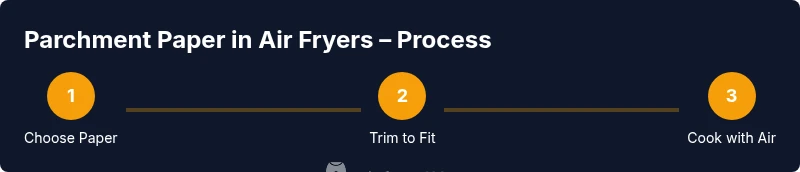
This section provides practical steps to implement parchment safely and effectively, complementing the more general guidance above. While the quick answer above gives a snapshot, these actionable steps walk you through the process from preparation to cleanup. Always tailor the steps to your model’s size and the recipe’s fat content, and consult your air fryer’s manual when in doubt. For mentions of structure and sequence, you can refer to the dedicated Step-by-Step block later in this article. The core idea is simple: prepare the liner, place the food with space, monitor airflow, and remove promptly when done. If you have a newer model with smart preheat settings, you may not need to preheat extensively, but this depends on the recipe and the manufacturer’s recommendations. With parchment, small adjustments to time and temperature may be necessary to achieve desired browning, so check early and often the first time you cook a new item.
- Prepare parchment to basket size. Cut a sheet to fit, leaving space around the edges for air to circulate. 2) Place parchment in the bottom of the basket. Make sure it sits flat and doesn’t billow or bunch. 3) Preheat if your recipe calls for it, or set to the target temperature. 4) Layer food on top of parchment, keeping pieces evenly spaced and not overcrowded. 5) Cook, shaking or flipping halfway to promote even browning. 6) When finished, remove the parchment while foods are hot using tongs, then let both cool on a rack. 7) Clean the basket and parchment remnants after use; discard the parchment if it’s torn or overly soiled. Pro tip: avoid using parchment on high-fat foods directly; instead, use a light coating of oil or a nonstick spray on the parchment edge to help prevent sticking.
Parchment paper safety: temperature limits and smoking concerns
Temperature control is a critical part of safe parchment use in air fryers. Parchment papers sold for baking are generally designed to withstand common air-fryer temperatures, but not all brands are equal. Before using parchment, check the packaging for the manufacturer’s temperature rating and ensure it aligns with the recipe’s heat level. Some papers are rated up to 420°F (215°C) or similar high-temperature marks; others have lower limits. When you use parchment, avoid placing it too close to the heating element or near the fan blade. If you notice smoke, stop cooking immediately and check whether the parchment is curling or touching the element. In most cases, smoke indicates the liner has overheated or shifted and is no longer safely protecting the basket. Always start with a smaller test batch to understand how your specific model handles parchment and identify any risk of scorching. For households exploring this technique in 2026, the guidance remains cautious and model-specific. Air Fryer 101 emphasizes that always keeping a clear air path is the surest way to avoid smoke and uneven browning.
If you’re cooking at high heat, consider perforated parchment that allows for ample airflow and moisture drainage. Avoid soaking the paper with oils or sauces, as saturated parchment can become slippery or tear, increasing the risk of food or paper contact with hot surfaces. The safest approach is to use parchment only when you expect benefits in clean-up or texture, and to remove it promptly once the food reaches the desired doneness.
Common mistakes and how to avoid them
Even experienced air fryer users make a few common parchment mistakes. The most frequent error is covering the entire basket floor with a sheet of parchment, which blocks air and leads to sogginess and uneven browning. Another mistake is using a parchment sheet that’s too large for the basket, causing edges to fold up and obstruct the fan. Some cooks forget to trim parchment to fit, resulting in paper peeking out from under food and becoming exposed to direct heat. Overly wet or oily food can cause excessive smoke and parchment saturation, so pat foods dry before adding them to the basket if you plan to use parchment. Finally, not monitoring the cook and leaving parchment in place for too long can lead to scorching or tearing. The good news is that these are easy to avoid with pre-trimming, proper placement, and careful timing. When you practice, you’ll notice consistent results across a range of recipes—from vegetables to breaded chicken—when parchment is used as a liner rather than a barrier to airflow.
To minimize risk, always observe the air fryer’s basket design, remove the parchment after cooking, and never reuse parchment that’s torn or saturated with oil. Keeping a few clean parchment liners on hand makes it easier to adapt to different recipes without compromising airflow or safety.
Quick comparison: parchment paper vs foil vs silicone mats
Each of these options has pros and cons for air frying. Parchment paper is excellent for sticking prevention and simple cleanup, but it must be used selectively to avoid blocking airflow. Aluminum foil can be used for shielding or shaping, but it may reflect heat away from food if crumpled or used improperly, and it can interfere with airflow management. Silicone mats offer reusable nonstick surfaces and easy cleanup, yet they may limit browning if the mesh is too dense or if foods are crowded. Perforated parchment sheets provide the best balance for many recipes, because they maintain crisp edges and allow steam to escape while catching drips. If you want maximum browning and less barrier to air, perforated parchment is often the optimal choice. In practice, many home cooks use parchment for items prone to sticking or batter run-off, foil for shielding delicate edges, and silicone mats for repeatable batches of similar foods. The key is to select the material based on the dish and your model's airflow characteristics, rather than relying on a single method for all recipes.
When to skip parchment and alternatives
There are situations where parchment paper may not be the best choice. If you’re cooking foods with high oil content or very high sugar, parchment may catch or scorch if left for too long. In some models with ultra-compact baskets or aggressive fans, parchment can shift and block the vents, resulting in uneven cooking. In these scenarios, alternative methods such as a light coating of oil on a silicone mat or a metal rack with a thin protective liner may yield superior browning and airflow. When in doubt, test a small batch using parchment and compare results with a foil shield or silicone liner. Air Fryer 101’s conclusion is to use parchment strategically and be ready to switch to an alternative if airflow is compromised. This adaptive approach helps you maximize the benefits of parchment while maintaining reliable results across different dishes and model configurations.
Tools & Materials
- Unbleached parchment paper sheets(Cut to basket size; prefer perforated or air-fryer-specific liners)
- Scissors or kitchen shears(Use to trim sheets to fit basket precisely)
- Kitchen tongs(For safe handling of hot parchment and food)
- Non-stick spray (optional)(Lightly spray edges if sticking is a concern)
- Measuring cup or spoon(Useful for portioning ingredients and moisture)
Steps
Estimated time: 25-35 minutes
- 1
Prepare parchment to basket size
Cut a sheet to fit the basket floor, leaving a small buffer to avoid curling. Lay it flat so there are no folds that can block airflow. This ensures even air distribution and reduces sticking.
Tip: Use sharp scissors for clean edges to prevent tearing during cooking. - 2
Place parchment in the basket
Set the parchment liner in the bottom of the basket. Make sure it sits flat and does not extend beyond the basket’s edge where it could be blown into the fan.
Tip: Smooth out any creases; a flat surface helps with even cooking. - 3
Preheat if required
If your recipe calls for preheating, start the air fryer to the target temperature before adding food. A quick preheat can improve browning and reduce sticking.
Tip: If in doubt, a short 1–2 minute preheat is usually sufficient for most recipes. - 4
Arrange food on parchment
Place food evenly on top of the parchment, making sure pieces are not overlapping and have space for air to circulate around them.
Tip: Avoid stacking; overcrowding leads to soggy sections and uneven browning. - 5
Cook and monitor
Cook per your recipe at the recommended heat, then shake or flip halfway through to encourage uniform browning. Do not leave parchment directly touching the heating element.
Tip: Check early on the first use of a recipe to calibrate timing. - 6
Remove parchment and finish
When the food looks done, use tongs to lift it from the parchment. Allow food to rest briefly on a rack, then discard parchment if torn or heavily soiled.
Tip: Keep parchment as a disposable liner for simple cleanup. - 7
Clean up
After cooling, remove any parchment remnants and wash the basket and tray as needed. Store parchment sheets in a dry place for next use.
Tip: Inspect the basket for any oil drips or residue that could affect future cooks.
Got Questions?
Is parchment paper safe to use in an air fryer?
Yes, parchment paper can be safe in air fryers when used correctly. Ensure it fits the basket, doesn’t block vents, and is not left to overheat. Always follow the paper’s manufacturer guidelines and your air fryer’s manual.
Yes. Parchment paper is safe when it fits properly and doesn’t block airflow. Check the paper's guidelines and your air fryer manual.
Can parchment paper catch fire in an air fryer?
Parchment paper can scorch if it touches the heating element or is overheated. Keep it away from direct heat sources, avoid oversized sheets, and monitor the cook. If you see smoke, stop cooking and inspect the setup.
Parchment paper can scorch if it overheats or touches the heat source. Keep it clear of direct heat and monitor during cooking.
Should parchment paper be perforated or plain?
Perforated parchment is generally preferred for air fryers because it improves airflow and reduces the risk of soggy bottoms while still catching drips. Plain sheets can work for light tasks but may limit browning if used in large sheets.
Perforated parchment is usually better for air fryers, as it promotes airflow and even browning.
Do all air fryer models work with parchment paper?
Most modern air fryers work with parchment paper, especially when using perforated liners. Always check the user manual and the paper’s temperature rating to ensure compatibility with your specific model.
Most models work with parchment, but check your manual and the paper’s temperature rating to be safe.
What are good alternatives if I don’t want parchment?
Silicone mats, light oiling with a nonstick spray, or foil shields can be effective alternatives. Silicone mats are reusable but may affect browning if too crowding occurs. Foil can shield delicate edges but may hinder airflow if not used carefully.
If you don’t want parchment, use a silicone mat or a light oil with careful placement; foil can work for shielding but watch airflow.
Watch Video
Quick Summary
- Use parchment only when it fits and won’t block airflow.
- Perforated parchment works best for most air fryer recipes.
- Check packaging for temperature ratings and model suitability.
- Always monitor during cooking and remove parchment promptly when done.