Mastering Air Fryer Frozen French Fries: Step-by-Step Guide
Master crispy air fryer frozen french fries with minimal oil. This educational guide covers preheating, timing, seasoning, loading, reheating, and cleaning for consistently delicious results.


You’ll learn how to cook air fryer frozen french fries to a crispy, golden finish in minutes. This guide walks you through preheating, light oil use, proper spacing, and precise timing, with a mid-cook shake for even browning and a final crisp. Follow the steps to achieve restaurant-like fries at home with minimal oil.
Why Air Fryer Frozen French Fries Are a Convenient Everyday Snack
From weeknights to game-day gatherings, air fryer frozen french fries offer a reliable path to crisp potatoes with far less oil than traditional deep-frying. According to Air Fryer 101, this method yields a golden exterior and fluffy interior when you manage oil, spacing, and temperature. The appeal lies in convenience: you skip messy oil baths, rely on freezer-to-fryer convenience, and still achieve restaurant-style crispness at home. In this section, we explore why frozen fries can be a smart pantry staple, compare classic cuts to crinkle-cut varieties, and outline how coatings and brands influence texture and flavor. By understanding these tradeoffs, you’ll select fries that align with your texture preferences and budget, while keeping health considerations in mind.
Preheating and Temperature: The Right Start
Preheating is a simple step with big payoff for air fryers. For most models, aim for a hot starting point—typically 400°F (204°C)—with 380°F as a compromise on heatier units. Preheat for 2–3 minutes, then spread fries in a single layer to avoid steaming. Airflow is the secret: when air can circulate around each piece, you get crisp edges and evenly cooked centers. If you’re cooking a larger batch, work in batches to preserve airflow. For smaller models, parchment liners can protect the basket, but only where needed to maximize air circulation. Consistency in temperature is essential for uniform browning rather than pale, uneven fries.
Selecting Frozen Fries: Cut, Coating, and Quality
Fries come in various cuts—classic straight-cut, crinkle-cut, and thick-cut—each delivering a different texture. Crinkle-cut fries often hold onto seasonings better and provide more surface area for browning. Look for bags with simple ingredients and minimal added oils if you want a cleaner finish; avoid heavy batter coatings if you crave pure fry flavor. If you enjoy flavor from coatings, choose those with seasonings you actually like and use a light spray of oil to help browning without greasiness. Consider brand consistency, bag size, and whether you prefer thinner shoestring fries for quicker crisping or thicker cuts for heartier bites.
Oil, Seasonings, and Minimal Additions
A light coating of oil helps fries brown without becoming greasy. A quick spray or a teaspoon of oil tossed with the fries is typically enough to promote crisp edges. Salt boosts flavor, and you can add pepper, paprika, garlic powder, or dried herbs for extra zing without adding fat. The goal is to balance browning with savoriness while keeping portions sensible. Air Fryer 101 suggests starting with a small amount of oil per batch and adjusting based on your fryer’s performance and your taste preferences. Avoid heavy sauces that require extra fat; spices and herbs can deliver maximal flavor with minimal calories.
Loading, Spacing, and Batch Size
Crispiness hinges on spacing. Fries must occupy a single layer with space between pieces; overcrowding leads to steamed, soggy centers. If you’re cooking large quantities, use multiple batches and keep warmed fries in a low-heat oven to retain crunch. For thicker cuts, plan for a few extra minutes, and for very thin fries, start checking a minute sooner to avoid burning. If your fryer supports a mesh rack, use it to maximize air contact by elevating fries above the base basket. Proper loading is the first step toward consistent browning across the batch.
Shake, Flip, and Finish Crisp
Mid-cook agitation is crucial. Shake or flip the fries when roughly halfway through the total cook time to promote even browning and to prevent sticking. Return the basket and continue cooking until the edges are crisp and centers are tender. The final texture should be light and sturdy, not dry or mushy. If color appears uneven, a short extra minute can help, but monitor closely to avoid over-browning. As a quick check, test a single fry to gauge doneness before finishing the entire batch.
Model Variations and Accessories
Air fryer sizes range from compact 2-quart units to roomy 6-quart models. Batch size should match basket volume, and consider accessories like parchment liners, silicone mats, or stackable racks to ease cleanup and improve airflow. Some models include built-in preheat and shake reminders, while others require manual tracking. For fries, a model with a stable heating element and even heat distribution tends to outperform budget options. When selecting a model, prioritize even temperature control, a wide basket, and minimal hot spots for best fries.
Health Considerations and Nutrition Tradeoffs
Air fryers reduce oil usage compared with deep-frying, but frozen fries still carry calories, sodium, and fat depending on portion size and toppings. For lower calories, choose thinner-cut fries and limit added oil. Flavor can come from spices and herbs rather than extra fat. Consider pairing fries with nutrient-dense toppings like fresh salsa or a yogurt-based dip to balance a meal. The health benefits of air-fried fries depend on serving size and acccompanied sides, so mindful portions are key to a healthier snack or side.
Reheating Frozen Fries: Crisping Them Up Again
Reheating is straightforward: preheat to 380–400°F and cook the fries in a single layer for 3–5 minutes, flipping halfway. Overcooking during reheating can dry fries out, so start with a shorter interval and test for crispness. Avoid microwaving, which softens texture; the air fryer consistently yields better results. If reheating leftovers from a previously frozen batch, you’ll often see best results when cooking directly from frozen rather than thawing, preserving surface texture and bite.
Cleaning and Maintenance After Frying
To keep your air fryer performing well, clean after every use. Remove the basket, let it cool, then wash with warm, soapy water. Wipe the interior with a damp cloth if needed, but never immerse the unit in water. For stuck-on residue, soak the basket briefly in warm soapy water, then scrub with a non-abrasive pad. Dry all parts thoroughly before reassembling to prevent odors and corrosion. Regular cleaning helps prevent odor transfer and ensures consistent cooking temperatures.
Authority Sources
For best-practice guidance on cooking frozen foods and air frying techniques, consult reliable sources such as the U.S. Food and Drug Administration and other health agencies. Consider reviewing official materials and food-safety resources from government websites to complement practical kitchen tips.
Quick Reference: Time and Temperature Snapshot
- Regular straight-cut fries: 400°F for 12–15 minutes, shake halfway.
- Crinkle-cut fries: 14–16 minutes at 400°F, shake halfway.
- Shoestring fries: 10–12 minutes at 400°F, check early for doneness.
- Thick-cut or seasoned fries: add 2–4 minutes if needed, depending on batch size and model performance.
- Always preheat if your model recommends it, and avoid overcrowding for best results.
Tools & Materials
- Air fryer with basket(Ensure basket is clean and preheated.)
- Light oil spray(1–2 sprays per batch; optional if fries are very light.)
- Salt(To taste after cooking.)
- Pepper or other seasonings(Optional for extra flavor.)
- Tongs(For safe turning and spacing checks.)
- Parchment liners or silicone mat(Optional; use to aid cleanup but ensure airflow.)
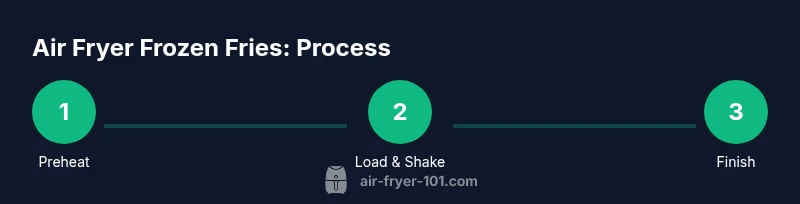
Steps
Estimated time: 15-20 minutes
- 1
Preheat and prepare
Preheat your air fryer to 400°F (204°C) for 2–3 minutes. While it heats, open the bag of frozen fries and spread them in a bowl to give each piece a light coating of oil if you’re using it. This step ensures the fries start cooking immediately and brown evenly.
Tip: Preheating helps achieve fast, even browning; skipping it can result in uneven texture. - 2
Season lightly
Spray fries lightly with oil or toss with a small amount of oil in a bowl, then sprinkle salt and any desired seasonings. Avoid heavy coatings; you want a thin layer that enhances browning without greasiness.
Tip: A little seasoning goes a long way—focus on flavor, not quantity. - 3
Load in a single layer
Place fries in a single, evenly spaced layer in the basket. Overcrowding blocks air circulation and prevents crisping.
Tip: If needed, cook in batches and keep completed fries warm in a low oven. - 4
Cook and shake
Cook for 8–12 minutes, depending on thickness. Halfway through, open and shake or flip the fries to promote even browning.
Tip: Shaking ensures uniform texture across all fries. - 5
Finish and serve
Continue cooking until edges are crisp and centers are tender. Remove promptly to avoid sogginess and serve hot.
Tip: A final light salt boost can brighten flavor right before serving. - 6
Batch handling
For large quantities, repeat steps in batches. Keep completed batches warm to preserve crisp texture.
Tip: Timing consistency across batches yields a uniform result.
Got Questions?
Do I need to preheat the air fryer for frozen fries?
Preheating helps ensure a quick start to browning and even texture, though some models perform well without it. If your fryer runs hot or cool, preheating can improve results.
Yes, preheating usually improves browning and evenness. If your model runs hot, you may skip it, but test a small batch first.
Can I use any brand of frozen french fries in the air fryer?
Most brands work well; thinner cuts cook faster and thicker cuts may need a few extra minutes. Adjust time based on your fryer model and fry thickness.
Most brands are fine. If you have thick-cut fries, give them a few extra minutes for thorough cooking.
Should I thaw fries before air frying?
No thawing is necessary. Frozen fries are meant to go directly from freezer to air fryer for best texture.
No thawing needed—cook them straight from frozen for maximum crispness.
What is the best temperature and time for the crispiest fries?
A common starting point is 400°F for 12–15 minutes, shaking halfway. Adjust for fry thickness and your specific air fryer model.
Start at 400 degrees for about 12 to 15 minutes, shaking halfway for even browning.
How do I reheat fries to keep them crispy?
Reheat at 380–400°F for 3–5 minutes in a single layer, shaking once. Avoid the microwave for better texture.
Reheat in the air fryer at around 400 degrees for a few minutes for best crisp.
Are air-fried fries healthier than deep-fried?
Yes, air frying uses significantly less oil, reducing fat while preserving flavor and texture. Portion size still matters for overall health goals.
Air-fried fries use less oil than deep-frying, which can reduce fat, but portion control still matters.
Watch Video
Quick Summary
- Cook in a single layer for crispness.
- Preheat as needed for even browning.
- Use only a light amount of oil to reduce calories.
- Shake halfway to promote uniform browning.