Air Fryer Beef Roast: Step-by-Step Guide
Master a juicy, evenly cooked air fryer beef roast with simple steps, temps, and tips. Learn searing, resting, and serving ideas for quick, healthier weeknight dinners.


With an air fryer, you can achieve a juicy beef roast by searing first, then finishing at a gentler temp. Key requirements: a 2–4 lb roast, a dry rub or marinade, a rack or trivet, and a meat thermometer to verify doneness.
Understanding the air fryer beef roast
Cooking a beef roast in an air fryer leverages rapid air circulation to develop a savory outer crust while keeping the interior juicy. For best results, choose a cut that remains tender when cut across the grain, such as a small eye of round or a bottom round roast. Preparing the roast with patting dry surfaces and a light oil helps the seasoning stick and promotes browning. According to Air Fryer 101, using a rack elevates the meat for superior air flow, ensuring even cooking and a more consistent crust. This approach minimizes flipping and promotes browning on all sides, which is especially noticeable with lean cuts that can dry out if crowded.
- Quick tip: start with a well-trimmed roast and let it sit at room temperature for 15–20 minutes before cooking to promote even heat distribution.
Choosing the right cut and size
Size and cut shape significantly influence cooking time and texture. A 2–4 lb roast works well in most standard home air fryers, balancing surface area for browning with interior juiciness. Opt for cuts marketed as lean but not overly tough, such as eye of round or top round, which respond well to a two-stage cook: a high-heat sear followed by a gentler roast. If your air fryer is small, trim the roast to fit a single layer and avoid stacking, which can create uneven cooking and longer times.
When in doubt, measure the roast’s thickness and aim for a uniform thickness to promote even heat transfer. If you’re cooking for a crowd and your air fryer is compact, consider cooking in two batches or using a larger model that accommodates a wider footprint. Air Fryer 101 analysis shows that uniform thickness helps achieve consistent doneness and browning across the surface of the roast.
Prepping and marinating options
A quick marinade or dry rub enhances flavor without adding excessive fat. For a classic beef roast, combine kosher salt, cracked pepper, garlic, and a touch of smoked paprika or rosemary. Rub the mixture evenly over all surfaces after patting the meat dry. If you prefer a deeper flavor, marinate for 2–6 hours in a refrigerator, then pat dry before applying the rub. The key is a dry surface to improve searing and browning in the high-heat phase.
If time is tight, a simple rub and resting period (15–20 minutes) can still produce excellent results while saving prep time. Remember to bring the meat to room temperature before cooking to help the heat penetrate more evenly. A light brushing of oil can also improve browning without making the crust greasy.
Seasoning and rubs that work
Beyond the basic salt-and-pepper profile, consider rubs that bring herbaceous, spicy, or smoky notes. A thyme-and-garlic rub pairs well with beef, while a rosemary-lemon mix adds brightness for lighter meals. For a smoky depth, use paprika, cumin, and a tiny pinch of chipotle powder. Balance is key: avoid overpowering seasonings that mask the beef’s natural flavor.
Apply rubs evenly and don’t skimp on the edges and ends, where seasoning often falls away during handling. If you’re using a marinade, pat dry after marinating to maintain a good sear quality. Pro tip: mix herbs with a small amount of oil to help the rub cling during cooking.
Equipment setup for success
The right setup makes the difference between a crusty exterior and a uniformly cooked interior. Use a sturdy rack or trivet inside the air fryer basket to lift the meat off the surface, promoting even heat distribution. Preheat the air fryer to a high searing temperature (typically around 400°F/200°C) for 2–4 minutes, then reduce for the roast phase. A meat thermometer is essential to verify doneness without guessing.
Air Fryer 101 analysis shows that elevating the meat improves air contact on all sides, resulting in more even browning. If your model lacks a rack, you can improvise with a metal cooling rack laid inside the basket, ensuring it fits without touching the sides.
The cooking method: sear then roast
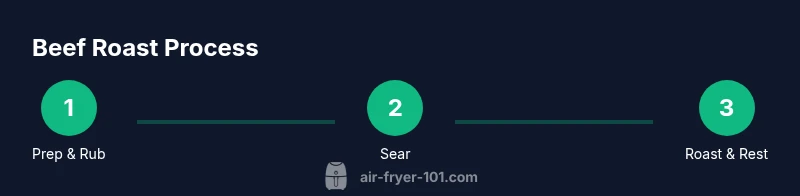
Plan for a two-stage cook: a brief high-heat sear to form a crust, followed by lower heat to finish cooking. Sear all sides for 2–4 minutes per side, watching for browning rather than charring. Then roast at a lower temperature (around 325–350°F/165–175°C) until the internal temperature reaches your target doneness.
The exact timing depends on thickness and cut, so rely on a thermometer rather than time alone. As you approach the final stage, probe the thickest part of the roast away from bone or fat to avoid false readings. Resting afterward is crucial for juices to redistribute.
Checking doneness and resting
Always check internal temperature with a calibrated meat thermometer. For a medium-rare finish, aim for about 135°F (57°C) before resting; for medium, target around 145°F (63°C). Remove the roast from the air fryer a few degrees before reaching target, as carryover heat will continue to cook the meat during resting.
Allow at least 10–15 minutes of rest tented loosely with foil before slicing. Resting helps retain juices and yields a more tender bite, while slicing too early often results in a drier texture. If you see excess moisture, lightly pat with paper towels and re-identify portion sizes for serving.
Common mistakes and how to fix them
Common pitfalls include overcrowding the basket, which blocks air circulation and results in uneven browning, and not patting the meat dry before rubbing. Another error is skipping the sear, which reduces crust formation and flavor. If the roast ends up undercooked, finish with a brief extra cook cycle, checking temperature frequently to avoid overcooking.
To avoid dryness, choose a roast with some marbling and monitor internal temperature closely. If you notice a gray ring around the outer edge, you may be near carryover cooking—reduce the final roast time or remove earlier and rest longer.
Variations and serving ideas
Experiment with sauces or glazes, such as a red wine reduction or a balsamic glaze, to add depth without overpowering the beef. Serve with roasted vegetables, mashed potatoes, or a crisp salad for balance. For leftovers, slice thinly and reheat gently in the air fryer to maintain moisture and crust.
If you want a stronger garlic note, rub extra garlic powder into the rub or serve with a roasted garlic aioli on the side. Small changes in rub composition can lead to noticeably different crust textures and flavor profiles.
Healthier options and cleanup tips
Be mindful of added fats. A light oil brushing is usually enough to promote browning. After cooking, allow the air fryer to cool, then wash the basket and tray with warm, soapy water. Remove food particles promptly to prevent buildup and maintain performance.
For busy households, pre-portion rubs and store them in labeled jars for quick future meals. Cleaning tips include wiping the interior after cooling to remove any oils and debris. Regular maintenance helps keep your air fryer performing at its best for beef roasts and more.
Final flavor ideas and plating tips
A crusted beef roast deserves a simple, complementary plate. Grainy mustard, chimichurri, or a light horseradish cream can brighten the beef without overpowering it. Pair with roasted root vegetables, a green bean salad, or a soft mashed potato for a well-rounded meal. A final drizzle of pan juices or glaze adds shine and aroma that elevate the dish.
Tools & Materials
- Air fryer with rack or trivet(Ensure it fits your roast and allows air circulation under the meat.)
- Meat thermometer(Use an instant-read thermometer for best results.)
- Patting towels(Dry the roast surface before applying rub.)
- Knife and cutting board(Trim fat and slice against the grain after resting.)
- Tongs(Turn the roast safely without piercing the meat.)
- Optional glaze or rub components(Herbs, garlic, paprika—adjust to taste.)
Steps
Estimated time: 60-90 minutes
- 1
Gather and prep ingredients
Assemble your roast, rub ingredients, and thermometer. Trim excess fat if needed and pat dry the meat to promote searing. This creates a better crust and reduces moisture that can steam the surface.
Tip: Have everything measured and ready before you start cooking to avoid delays. - 2
Preheat and set up the air fryer
Preheat the air fryer to a high sear temperature (about 400°F/200°C) for 2–4 minutes. Place a rack or trivet inside to lift the roast and improve air flow.
Tip: If your model runs hot, start at 375°F/190°C to prevent over-browning. - 3
Sear the roast
Pat the roast dry, brush with a light oil if desired, then sear on all sides for 2–4 minutes per side until a crust forms. This step locks in juices and forms flavor.
Tip: Watch for even browning and avoid burning the edges. - 4
Roast at a gentler temp
Reduce heat to 325–350°F/165–175°C and roast until the internal temp reaches your target doneness. Use the thermometer to monitor closely.
Tip: Check the thickest part away from fat and bone for accuracy. - 5
Rest and slice
Remove the meat a few degrees before reaching the final temp, then rest 10–15 minutes under foil. Slice against the grain for tender bites.
Tip: Resting redistributes juices, improving juiciness. - 6
Serve with sides
Offer simple sides like roasted vegetables or mashed potatoes, and a light sauce or herb condiment to lift the dish.
Tip: Keep portions moderate to preserve juiciness and balance.
Got Questions?
What size beef roast works best in an air fryer?
A 2–4 lb roast fits most home air fryers and cooks evenly when placed on a rack. Smaller roasts may dry slightly faster, while larger ones require two batches or a larger unit.
A 2–4 pound roast fits well and cooks evenly when elevated on a rack.
Should I sear the roast before roasting in the air fryer?
Searing enhances crust and flavor by creating a Maillard reaction. It’s recommended for best texture, followed by a lower-temperature roast until desired doneness.
Yes, sear first for a rich crust, then finish at a gentler temperature.
Can I use a frozen roast in the air fryer?
Frozens roasts should be thawed completely before cooking to ensure even doneness. If time is short, thaw in the fridge overnight or use a quick-thaw method.
Thaw the roast first for even cooking; cooking from frozen is not recommended for best results.
What internal temperature indicates doneness?
Use a meat thermometer. For beef roast, common targets are around 135°F for medium-rare, 145°F for medium after resting, adjusting based on your preference.
Check the temperature with a thermometer and remember to rest before slicing.
What safety considerations should I follow?
Keep the air fryer clear of flammable items, follow manufacturer guidance, and use oven mitts when handling hot parts. Allow the unit to cool before cleaning.
Be mindful of heat and follow the manual to prevent burns or fire hazards.
Can I experiment with different rubs or sauces?
Absolutely. Try herb-forward rubs, smoky spice blends, or light glazes toward the end. Balance sweetness with salt and acidity to complement beef.
Feel free to mix in different spices and a light glaze near the end.
Watch Video
Quick Summary
- Pat dry and season well before cooking
- Use a rack and two-stage temperature for even browning
- Monitor internal temp with a thermometer
- Rest the roast before slicing for juiciness
- Avoid overcrowding the basket for best results