How to Clean an Air Fryer Without Soaking
Learn a safe, effective no-soak method to clean your air fryer. This step-by-step guide covers removing parts, wiping with warm soap, deodorizing, and preventing buildup for healthier cooking.


You can clean an air fryer without soaking by disassembling the removable parts, wiping the interior with a warm, non-abrasive sponge, and using a soft brush for stubborn grime. Rinse parts thoroughly, avoid submerging the base, and air-dry completely before reassembly. Use mild detergent, a vinegar rinse if needed, and wipe after each use.
Why Cleaning Without Soaking Matters
According to Air Fryer 101, keeping your air fryer clean protects flavor, prevents odor transfer, and extends the appliance's life. If you’re wondering how to clean air fryer without soaking, you can achieve a thorough clean with steady wiping and the right tools. Avoid full submersion of the base; soaking can compromise seals and digital controls, and it requires long drying times. By focusing on heat-assisted loosening, warm soapy water, and gentle scrubbing, you can remove grease without soaking. This no-soak approach reduces the risk of water seeping into vents or electronics, while still tackling baked-on residue. Regular quick cleans after cooking greasy foods keep flavors bright and extend the life of gaskets and surfaces. Adopting this routine means less downtime and fewer headaches when you want a quick dinner service.
What You Need (Tools & Materials)
Before you begin, gather tools and materials that are safe for no-soak cleaning. Having the right items on hand minimizes water exposure to the base and helps you work efficiently. Air Fryer 101’s guidelines emphasize using mild cleaners and non-abrasive tools to protect coatings and gaskets. The goal is to loosen grease with warmth and a gentle touch, then rinse and dry thoroughly. Keep a sink-friendly setup: warm water, soap, brushes, and soft cloths reach every corner without forcing water into the electrical components. Remember to dry all parts completely before reassembly to prevent steam and odor.
Safe Cleaning Techniques for the Basket and Tray
The basket and tray are where most grease builds up. Start by removing these components and washing them with warm water and a drop of mild dish soap. A soft sponge or microfiber cloth works best on nonstick coatings. For stubborn residue, a soft-bristled brush or old toothbrush can reach crevices without scratching. Rinse well and dry with a lint-free towel. Do not use abrasive pads or metal tools that could scratch the coating. After washing, inspect the edges for trapped crumbs and wipe them clean. These practices prevent buildup and keep food from sticking in future cooks.
Cleaning the Main Unit Interior Without Water Ingress
The interior of the main unit should never be submerged. Use a damp microfiber cloth lightly soaped with mild detergent to wipe the interior walls, then wipe again with a clean damp cloth. Focus on the heating chamber’s bottom where oil accumulates, using a soft brush to lift stuck-on grease from seams and vents. Be careful around any exposed electronics and vents—water should never pool near them. If there’s a stubborn area, apply a little more soapy water to the cloth and work gradually, never spraying directly into openings. Finish with a dry microfiber to remove any moisture and prevent rust or residue.
Maintenance and Quick Touch-Ups Between Uses
To keep your air fryer in peak condition, perform a quick wipe-down after every use. This reduces the buildup that would otherwise require a deeper clean. After cooking greasy foods, a light wash of the basket and tray plus a quick interior wipe can prevent odor transfer. Store the components dry in a well-ventilated area to minimize moisture and prevent mildew. Periodically, run a light cycle with just water and a drop of dish soap to refresh seals and gaskets without soaking the base. These habits pay off with better tasting meals and longer appliance life.
Tools & Materials
- Mild dish soap(Non-abrasive, gentle enough for nonstick coatings)
- Warm water(For diluting soap and rinsing)
- Non-abrasive sponge(Soft, scratch-free surface)
- Soft-bristle brush or old toothbrush(For corners and stubborn grime)
- Microfiber cloth(Reusable and highly absorbent)
- Dish rack or drying mat(Air-dry components completely)
- White vinegar (optional)(Deodorize; dilute 1:1 with water if used)
- Gloves (optional)(Protect hands from hot water)
Steps
Estimated time: 15-25 minutes
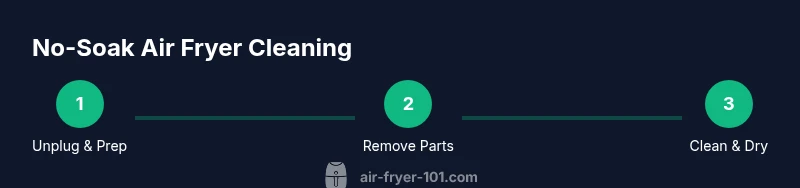
- 1
Unplug and prep
Power off and unplug the unit. Remove the basket and pan to expose all surfaces. Wipe away loose crumbs with a dry towel so you aren’t pushing debris into crevices.
Tip: Keep the cord away from water and heat to prevent damage. - 2
Remove removable parts
Take out the basket, pan, and any trays. Inspect for heavy grease or warping. If needed, rinse these parts under warm water with a light soap before proceeding.
Tip: Check for signs of wear like scratches or peeling coating. - 3
Wash the basket and pan
Wash these pieces by hand with warm water and mild soap. Use the non-abrasive sponge for coating-safe cleaning and a brush for stubborn edges. Rinse thoroughly and dry with a microfiber cloth.
Tip: Avoid submerging the base or any electrical components. - 4
Wipe the interior base
Dampen a microfiber cloth with a small amount of soapy water and wipe the interior walls and bottom. Do not saturate; moisture near the vents can cause issues.
Tip: If residue persists, use a soft brush with a touch more soap. - 5
Tackle stubborn residue
Apply a little more soap to the brush or sponge and work the grime gently. Rinse the cloth and wipe again to remove any soap film.
Tip: Never use metal scrubbers that could scratch surfaces. - 6
Dry and reassemble
Dry all parts completely before reassembling. Reinsert the basket and pan, plug in, and run a quick air-only cycle to ensure there’s no moisture in the base.
Tip: Allow a full air-dry period for any removable parts to prevent odor.
Got Questions?
Can I wash the air fryer basket in the dishwasher?
Some baskets are dishwasher safe, but many are not. Always check the manual or markings on the basket. If safe, place it on the top rack to avoid heat damage.
Some air fryer baskets are dishwasher safe, but you should check the manual before using the dishwasher.
Is it safe to use vinegar or baking soda when cleaning?
Diluted white vinegar can help deodorize, but avoid direct contact with heating elements. Baking soda paste can tackle stubborn grime on external surfaces; avoid it on nonstick coatings.
Yes, diluted vinegar can deodorize, but don’t spray it on the heater. Baking soda paste is okay for stubborn grime away from the heating area.
Do I need to soak the parts to remove heavy grease?
Soaking is not required for most models when using the no-soak method. If you must, only soak removable parts and verify the manual allows it; never soak the base.
Soaking isn’t usually needed; use warm soap and a brush instead. Check the manual if you consider soaking removable parts.
How often should I clean my air fryer to prevent buildup?
Wipe after each use and perform a thorough clean weekly if you cook greasy foods. A deeper clean monthly helps reset seals and gaskets.
Clean after a few uses for greasy foods, and do a deeper clean each month.
What indicates it’s time for a deeper clean?
Lingering smells, visible grease, or reduced air circulation suggest a deeper clean is needed. Use the no-soak methods described here and focus on the interior seals and vents.
If smells persist or grease builds up, do a deeper no-soak clean focusing on seals.
Can I clean around the heating element safely?
Yes, but avoid direct moisture on the element. Use a damp cloth and a soft brush to lift residue around the gaps without spraying water into vents.
Carefully wipe around the heating area with a damp cloth and brush, never soaking it.
Watch Video
Quick Summary
- Unplug before cleaning and remove all removable parts.
- Wash baskets and pans by hand with warm water and mild soap.
- Wipe the interior with a damp cloth, never flood the base.
- Dry thoroughly and reassemble only when completely dry.