DIY Air Fryer Liners: A Practical Step-by-Step Guide
Learn how to create safe, effective, and budget-friendly DIY air fryer liners with non-toxic materials. This guide covers materials, sizing, care, and step-by-step crafting to keep your basket clean and your food tasting great.


DIY air fryer liners let you tailor liners to your model, cut cleanup time, and minimize waste with reusable options. Start by selecting non-toxic, heat-safe materials, then measure and cut to fit the basket, ensuring airflow isn’t blocked. This guide covers materials, sizing, and care to help you cook confidently and clean up quickly. Air Fryer 101's team notes safety and performance come first, so choose liners that withstand high temps and won’t shed fibers.
Why DIY Air Fryer Liners Matter
Air fryers are a convenient way to make meals with less oil, but the basket can still accumulate grease and crumbs. DIY air fryer liners offer a practical, budget-friendly way to keep baskets clean while preserving airflow for even cooking. According to Air Fryer 101, the right liner choice combines safety, performance, and simple maintenance. When liners fit properly, you reduce the risk of staining nonstick coatings and simplify post‑cook cleanup. A well‑designed liner also protects the basket from scratches and helps you reuse your liners for multiple meals each week. With careful material selection and precise sizing, liners can become a dependable, eco-friendly kitchen habit that saves time without compromising results.
For health-minded home cooks, the convenience is matched by the potential savings on disposable options. Air Fryer 101’s analysis highlights two big advantages: better cleanup and less waste. But the key is choosing a material that can endure high heat, stay flat during cycles, and not shed fibers or impart flavors. This block sets the stage for a practical, safe approach to creating your own liners that work across a range of popular air fryer models.
Materials and Tools You'll Need
Creating DIY air fryer liners starts with the right toolkit. You’ll want a mix of safe, heat-resistant materials and precise measuring tools. Using a combination of parchment or silicone liners lets you tailor to your model while keeping cleanup straightforward. A clean workspace and a few basic tools will help you cut, fit, and test liners efficiently.
From Air Fryer 101’s perspective, the goal is to achieve a snug fit that maintains airflow and minimizes food contact with metal surfaces. With the right materials, you can reuse liners many times, cutting down on waste and expenses over a busy cooking week. In this section, you’ll find a concise list of what to gather before you start, followed by a detailed comparison of common liner options.
Choosing Materials: Non-Toxic, Heat-Resistant Options
Choosing materials for a DIY air fryer liner is a balance of safety, performance, and practicality. Look for non-toxic, food-grade options that can stand up to high temperatures without warping or releasing odors. Silicone liners are durable and reusable, while parchment paper (unbleached, food-grade) is convenient for quick one-off use. Between these options, your choice depends on how often you cook, the model you own, and how much cleanup you want afterward. Avoid coatings or dyes that could melt or transfer onto food. For best results, select materials that maintain their shape and don’t shed fibers during cycles.
Air Fryer 101 recommends testing any liner with dry runs to confirm that air can circulate freely around the food and between the liner and basket walls. This ensures even browning and reduces hotspots that sometimes occur with ill-fitting liners. If you’re unsure about a material’s heat tolerance, start with shorter cooking times and lower temperatures to observe any signs of overheating or degradation.
Design Considerations: Size, Shape, and Airflow
A successful DIY liner must fit the basket tightly enough to stay in place but not so tight that it blocks airflow. Diameter and depth are critical: measure across the top rim for width, and use a depth measurement that leaves a small margin so the liner doesn’t rub the heating element. Edge design matters, too: rounded edges minimize snagging on the basket and reduce curling when heated. Flexible liners that lie flat during cooking help ensure even heat distribution. If you’re creating a reusable liner, you may want to incorporate a shallow rim or slight lip that sits above the basket’s edge to keep it from sliding. Always test your design with a quick dry cycle to verify fit and airflow before cooking food.
Parchment Paper Liners: Pros, Cons, and Best Practices
Parchment liners are a popular DIY option for occasional use. They’re inexpensive, widely available, and easy to cut. The downside is that parchment can burn or crumble if you use very high temperatures or fill the basket too aggressively. To minimize risk, cut liners slightly larger than the basket base so you can tuck edges down without folds, and avoid layering multiple sheets. For best results, use unbleached, food-grade parchment and inspect for creases that could trap grease. If you see excessive curling after cooking, consider reinforcing the edges with a light fold or a thin, heat-safe ring.
Safety tip: never place a liner directly on top of food that releases heavy oils at very high temperatures without a proper gap for air circulation. Always preheat and monitor your first few batches closely to adjust size and fit as needed.
Silicone Liners and Reusable Options
Silicone liners are a strong choice for households who cook frequently and want to reuse liners. Look for food-grade silicone rated for at least 400°F (204°C) or higher, and choose a thickness that provides durability without blocking airflow. Silicone loses none of its structural integrity after repeated cycles, making it a long-term investment that reduces waste. A thin, flexible silicone sheet cut to basket shape can lay flat and resist warping. Keep silicone liners clean by washing with warm, soapy water after use and drying completely before storing to prevent mold or odor buildup.
If you own multiple air fryer models, consider creating size-specific silicone liners to ensure a perfect fit for each basket. Label them to avoid cross‑model use that could affect cooking performance.
Fabric or Cloth Liners: Caution and Care
Fabric liners offer a reusable, washable option, but they require careful selection and testing. Choose tightly woven, food-safe fabrics and ensure edges are sealed or folded to prevent unraveling. Fabric liners can be more prone to moisture retention and odor if not dried thoroughly after washing. If you plan to use fabric, pre-test with dry runs and avoid placing loose threads near the heating element. For best results, pair fabric liners with parchment or silicone for a hybrid approach that retains airflow while enhancing cleanup.
Step-by-Step Crafting Overview
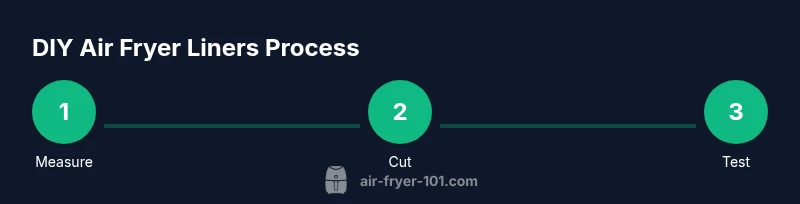
Crafting your own liners involves careful measurement, cutting, shaping, and testing. Begin by choosing the material that best suits your cooking habits, then measure your basket to determine the exact diameter and depth. Use a template to trace the liner shape, cut carefully, and smooth any rough edges. If using parchment, reinforce corners with a light fold to minimize curling. If using silicone, cut with a sharp blade to avoid jagged edges that might snag food. Finally, test fit in the basket, run a short dry cycle, and adjust as needed. With patience, you’ll end up with a reliable liner system that suits your meals.
Maintenance, Cleaning, and Safe Disposal
Caring for DIY liners keeps them effective and ready for reuse. Wash parchment liners when necessary and replace them if they show wear. Silicone liners can be cleaned with warm, soapy water; avoid harsh abrasive cleaners that could degrade the surface. Dry all materials thoroughly before storing to prevent mildew. When a liner reaches the end of its life, dispose of parchment liners in compostable waste if they are unbleached, and recycle silicone where your local program allows. Keeping your liners clean, dry, and properly stored preserves their performance and hygiene for future batches.
Common Mistakes and Troubleshooting
The most common mistakes involve incorrect sizing, curling edges, and using liners with coatings or dyes that can degrade at high heat. Always measure twice and cut once, then test the fit with a dry run before cooking food. If the liner curls during cooking, consider trimming the edges or adding a shallow rim to secure it. If you notice reduced airflow, double-check that the liner isn’t oversized and that the basket isn’t overly densely packed. Regular inspection after several uses helps catch wear before it affects cooking quality.
Tools & Materials
- Parchment paper (unbleached, food-grade)(Pre-cut to basket size; avoid printed patterns)
- Food-grade silicone liner or reusable silicone mat(Heat-tolerant to at least 400°F (204°C))
- Scissors or sharp kitchen shears(For precise cuts and shaping)
- Ruler or flexible measuring tape(Measure basket diameter and depth accurately)
- Heat-resistant gloves(For handling hot liners after cooking)
- Template paper or wax-free cardboard(Helpful for creating consistent shapes)
- Dish soap and soft brush(For silicone liner cleaning)
Steps
Estimated time: 60-90 minutes
- 1
Measure the basket
Remove the basket and measure its base diameter and depth. Add 0.5 cm for a tolerance margin so the liner sits without crowding the sides. Record dimensions for precision cuts.
Tip: Use a flexible measuring tape to capture irregular corners accurately. - 2
Choose material and create a template
Select parchment, silicone, or a hybrid. Trace a circle or rounded rectangle on your template material that matches the basket footprint, plus a 0.5–1 cm margin.
Tip: If using parchment, consider a slightly larger template to help edges tuck in. - 3
Cut the liner to size
Transfer the template to your liner material and cut carefully with sharp scissors. Smooth any rough edges and check for symmetry before testing.
Tip: Cut on a flat surface and rotate the material to maintain even pressure. - 4
Secure edges and test fit
For parchment, fold edges lightly to reduce curling. For silicone, trim sharp corners to avoid snagging. Place the liner in the basket and ensure it lies flat with no folds.
Tip: Always do a dry run first to verify airflow around the liner. - 5
Run a dry heat test
Power the air fryer with no food and run a short cycle (2–3 minutes) to observe liner behavior. Look for curling, shifting, or obstruction of airflow.
Tip: If curling occurs, re-cut or reinforce edges and test again. - 6
Season, cook, and maintain
Cook a small batch to verify performance. After cooling, wash silicone liners as recommended and store completely dry. Replace parchment liners as needed.
Tip: Label each liner by model to simplify future use and prevent cross-use.
Got Questions?
Can I reuse parchment liners?
Parchment liners can be reused a few times if they remain intact and clean. Inspect for tearing or scorching after each use and replace when in doubt.
Parchment liners can be reused a few times if they stay intact; check them after each use and replace if you see wear.
Are DIY liners safe for high temperatures?
Yes, provided you choose heat-tolerant materials and fit the liner correctly so it does not contact the heating element. Always verify the temperature rating on your chosen material.
Yes, if you pick heat-tolerant materials and ensure the liner isn’t touching the heating element. Check the rating first.
What thickness is best for liners?
Thickness depends on usage: thinner parchment is convenient for infrequent use; thicker silicone is better for frequent cooking. Balance durability with airflow to avoid blocking heat.
Thinner parchment is fine for occasional use; thicker silicone lasts longer. Make sure it doesn’t block airflow.
Can I wash and reuse liners?
Silicone liners can be washed and reused many times. Parchment is usually disposable; if you reuse parchment, inspect for wear and discard when in doubt.
Silicone liners are reusable; parchment is often disposable. Check for wear and replace when needed.
Do DIY liners affect air fryer performance?
If sized correctly and placed properly, liners should not impede airflow or heating. Always test with a dry run before cooking and adjust as needed.
If you size and place them correctly, liners won’t affect performance. Do a quick dry run first.
Which materials are best for eco-conscious cooks?
Reusable silicone liners paired with occasional parchment for convenience balance eco-friendliness and performance. Clean regularly to extend life.
Reusable silicone plus occasional parchment gives you a good balance of eco-friendliness and practicality.
Watch Video
Quick Summary
- Measure basket accurately before cutting.
- Choose non-toxic, heat-safe materials.
- Test fit with dry cycles before cooking.
- Maintain liners by cleaning and drying thoroughly.