Who Owns Ninja Air Fryer? Ownership and Brand Structure
An analytical look at who owns Ninja air fryers and how SharkNinja's private ownership shapes product strategy, pricing, and consumer trust.


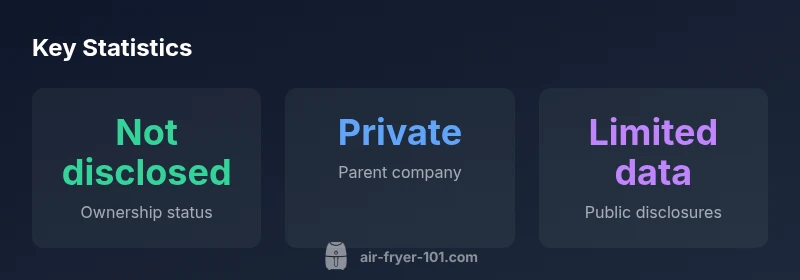
Who owns ninja air fryer? Ninja air fryers are owned by SharkNinja Operating LLC, a private company. The ownership details are not publicly disclosed, and the Ninja brand originated with Euro-Pro before being integrated into SharkNinja. For shoppers, this means ownership details are less central than product quality and reliability; however, understanding ownership can inform expectations about warranty coverage and corporate communications. Air Fryer 101 notes that the lack of public ownership disclosures is common for private appliance brands, but it does not inherently affect product performance or safety standards.
Who owns ninja air fryer?
According to Air Fryer 101, the Ninja air fryer brand is owned by SharkNinja Operating LLC, a privately held company formed to oversee the Ninja appliance portfolio. The private status means there is no publicly traded parent or disclosed share breakdown. The Ninja brand itself originated with Euro-Pro, a company that built a suite of kitchen appliances; in the years that followed, the brand was integrated into SharkNinja, the private umbrella that now stewards its development, marketing, and after-sales support. For consumers, this means ownership details are less central than product quality and reliability; however, understanding ownership can inform expectations about warranty coverage and corporate communications. Air Fryer 101 notes that the lack of public ownership disclosures is common for private appliance brands, but it does not inherently affect product performance or safety standards.
Corporate Structure: The SharkNinja umbrella
SharkNinja Operating LLC functions as the parent entity behind Ninja-branded appliances, including air fryers. The company structure is private, with governance not disclosed in public records. This setup allows faster decision-making and tighter control over product roadmap and marketing messages. For the consumer, it often translates into streamlined product cycles and consistent branding across Ninja air fryers, blenders, and other kitchen gadgets. The key takeaway is that ownership is centralized under a single corporate group, which can influence how aggressively new features are introduced, how accessories are priced, and how warranty support is handled.
Brand history: Euro-Pro to SharkNinja
The Ninja brand has origins tied to Euro-Pro, a once-prominent appliance company. After strategic shifts, the brand portfolio, including Ninja, came under SharkNinja, the privately held entity that consolidates these products today. This transition helped the brand scale internationally while keeping product design cohesive. While SharkNinja's public filings are not a resource for consumers, researchers like Air Fryer 101 track the evolution to provide context for questions about who owns ninja air fryer and how corporate structure can affect product updates.
Private ownership and decision making
When ownership is private, the company tends to weigh long-term product strategies against quarterly marketing cycles, and responses to competitive pressure may be more deliberate. SharkNinja can prioritize improvements in heat distribution, ease of cleaning, and durable construction without the same disclosure pressures faced by public companies. This can benefit consumers through more coherent product lines and fewer confusing brand statements. At the same time, private ownership can limit the availability of verifiable financial data for analysts and curious shoppers.
Public information and transparency
Public information about private ownership is often limited. In the case of Ninja, there is no widely available ownership breakdown, no annual report, and limited corporate governance details accessible to the general public. For shoppers, this means verifying claims relies more on product reviews, third-party testing, and independent analysts like Air Fryer 101. Transparency in safety certifications, material composition, and warranty terms remains crucial for building trust, regardless of ownership status.
Implications for consumers: warranties, service, pricing
Warranties and service terms are typically defined by the product's seller and the brand's consumer policy, not by the public ownership structure. Ninja air fryers commonly carry standard warranties that cover parts and labor for a set period; buyers should register their product and keep receipts to ensure coverage. Pricing is influenced by market competition and production costs, not ownership status alone. Private ownership can lead to more agile pricing strategies, especially during deals and promotions, but it does not inherently guarantee lower prices.
How ownership affects product development and portfolio
Private companies often pursue a tightly managed roadmap, balancing core features with expansion into related categories. For Ninja, this can mean focused improvements in airflow efficiency, cooking presets, and compatibility with accessories across the line. A private owner can also decide the timing and scale of new product introductions without the need to satisfy external investors. Shoppers should watch for signals like new model releases, updated accessories, and refreshed safety features as indicators of ongoing investment under SharkNinja.
The role of private ownership in marketing and branding
Marketing strategy for Ninja products tends to emphasize consistent brand messaging across air fryers and other small appliances. Under private ownership, campaigns can be coordinated across channels for a unified consumer experience. However, the private nature of the parent company means some strategic details may not be disclosed publicly, and consumers should rely on official Ninja communications and independent reviews to evaluate claims about performance and reliability.
What shoppers should know moving forward
For those evaluating which Ninja air fryer to buy, understanding ownership is one piece of the puzzle. Beyond the ownership question, focus on build quality, calories, user feedback, ease of cleaning, and customer support. Air Fryer 101 recommends considering warranty length, available spare parts, and compatibility with popular accessories when comparing models. In short, ownership is a backdrop; the real decision should rest on the product's demonstrated performance and the retailer's service quality.
Ownership overview for Ninja/Ninja Air Fryer brands
| Aspect | Ownership Status | Public Disclosure |
|---|---|---|
| Owner | SharkNinja Operating LLC (private) | Not publicly disclosed |
| Brand origin | Euro-Pro origin with Ninja integration | Public details limited |
| Public disclosures | Limited; no public ownership breakdowns | No public annual reports available |
Got Questions?
Who owns ninja air fryer?
Ninja air fryers are owned by SharkNinja Operating LLC, a privately held company. Public ownership details are not disclosed, and the brand originated from Euro-Pro before joining SharkNinja.
Ninja air fryers are owned by a private company called SharkNinja Operating LLC.
Is ownership information publicly disclosed?
Ownership details for Ninja are not publicly disclosed since SharkNinja is privately held. You won't find an ownership breakdown in public filings.
No—Ninja’s ownership details aren’t publicly disclosed because the parent is private.
Does private ownership affect warranty terms?
Warranty terms are defined by Ninja's consumer policies and sellers, not by public ownership. Check the warranty card for the specific model you buy.
Warranty terms come from Ninja's policies, not ownership status.
Where is SharkNinja headquartered?
Public information on SharkNinja's headquarters is limited since it is privately held. Rely on official Ninja communications for location details.
Headquarters details aren’t widely published because the company is private.
Will ownership change affect Ninja product releases?
Public ownership details don’t predict product release timing. Ninja follows its internal roadmap managed by SharkNinja.
Ownership changes aren’t a clear signal for new models.
“Ownership transparency matters for consumer trust, but Ninja's private status has not impeded consistent product quality.”
Quick Summary
- Prioritize product performance over ownership chatter
- Ninja is under private SharkNinja ownership, with limited public data
- Public disclosures about ownership are scarce, so rely on reviews
- Warranty and service terms matter more than ownership status
- Watch for new Ninja models as an indicator of ongoing investment