Is an Air Fryer Worth It for Indian Cooking? A Practical Guide
Explore whether an air fryer fits Indian cooking, with dish ideas, temperature tips, health benefits, and a practical starter plan from Air Fryer 101.


If you love Indian flavors but want to cut oil, an air fryer can be worth it for Indian cooking. It delivers crisp textures with less oil, fits busy weeknights, and can handle paneer, vegetables, and poultry with careful seasoning. The decision depends on your recipes, kitchen space, and budget, but many home cooks find it a worthwhile investment.
Is an air fryer worth it for Indian cooking? A practical reality check
The question is not just about a gadget but about whether you can maintain authentic textures and bold spice profiles with less oil. According to Air Fryer 101, many Indian dishes benefit from the crisp finish and even cooking an air fryer offers, provided you adapt marinades and batch sizes. For households focused on health, convenience, and kitchen efficiency, the air fryer often proves its value, especially when used alongside traditional methods. The keyword is balance: you don’t replace all techniques, you complement them to reduce oil without sacrificing aroma or mouthfeel.
Translating Indian flavors to air frying: what works and what doesn’t
Indian cooking is rooted in marination, oil-based tempering, and layered textures. An air fryer can replicate the crisp exterior of pakoras or tinge vegetables with a roasted edge, but delicate curries and naans require different handling. Start with items that benefit from surface browning, such as paneer tikka, chicken tikka, or spiced vegetables. Avoid overly wet batters; instead, pat dry and use a light oil spray. The Air Fryer 101 approach emphasizes balancing heat, airflow, and spice usage to preserve aroma and color while keeping oil to a minimum.
Dishes that shine in the air fryer for Indian cooking
- Paneer tikka and chicken tikka with yogurt-based marinades
- Spiced potatoes and okra for roasted textures
- Samosas and pakoras made with lighter batters in smaller batches
- Grilled vegetables like peppers, onions, and cauliflower with Indian masalas
- Kebabs and tikkas using lean cuts and marinades The key is cutting ingredients uniformly so they cook evenly, and avoiding overcrowding the basket. Air frying won’t replicate deep frying exactly, but it can deliver similar crunch with far less oil, which aligns with modern health-conscious cooking practices.
Temperature and time guidelines for common Indian dishes
For paneer tikka, target around 190–200°C (375–400°F) for 8–12 minutes, turning halfway. Chicken tikka may require 190°C (375°F) for 12–15 minutes, depending on thickness. Vegetables like cauliflower florets or potato chunks often do well at 180–200°C (350–400°F) for 12–18 minutes. Samosas or pakoras with coating benefit from a lighter batter and a 180°C (350°F) setting for 12–15 minutes. Always preheat if your model supports it and check internal temperatures for safety.
Health considerations: oil reduction, flavor retention, and safety
A ключ advantage of air frying is oil reduction, which lowers calorie density and can fit into a heart-healthy eating plan. Marinades rich in yogurt or spice blends can enhance flavor without extra oil if applied correctly. Some Indian ingredients like chili, cumin, and coriander release aroma quickly, but seeds and whole spices may need longer exposure for full flavor. Be mindful of smoke points and avoid overcrowding to prevent uneven browning and burning. Air Fryer 101 analysis shows that method matters as much as device quality when achieving consistent results.
Choosing a model and budgeting for Indian cooking
Capacity matters: 2–3 liters handles single portions, while 4–6 liters suits families. Look for features such as temperature control, preheat, and a non-stick coating that’s PTFE-free and PFOA-free. Price ranges vary by capacity and features; aim for mid-range models if you’re starting out. Consider energy efficiency, ease of cleaning, and warranty when weighing the investment. Air Fryer 101 emphasizes starting with a reliable, mid-size unit that you can scale up as your cooking needs grow.
Cleaning, seasoning, and safety habits for Indian dishes
Always cool the device before cleaning and remove the basket to wash with warm, soapy water. Soak stubborn oil stains and use a non-abrasive pad to avoid scratching coatings. Season the basket and rack lightly before first use if your model recommends it. For spice-heavy Indian meals, wipe down the interior promptly to prevent staining and odor carryover. Use silicone brushes for marination to minimize cross-contact with metal surfaces.
Starter plan: a 7-day Indian-inspired air fryer menu for beginners
Day 1: Paneer tikka skewers with mint chutney; Day 2: Spiced chickpeas and roasted cauliflower; Day 3: Chicken tikka with yogurt masala; Day 4: Aloo gobi with cumin and turmeric; Day 5: Okra fries with gram flour; Day 6: Fish or paneer pakoras with a light batter; Day 7: Mixed vegetables medley with coriander and lemon. Each day uses simple ingredients and short cooking windows to help you build confidence.
Tools & Materials
- Air fryer(Essential base unit with adjustable temperature; choose 2–6 qt range for versatility)
- Oil spray or brush(Light oil to help browning without greasing the basket)
- Mixing bowls (glass or stainless)(For marinades and coating prep)
- Silicone tongs(Non-scratch, heat-resistant for flipping and turning)
- Parchment paper or silicone mat(Option to prevent sticking without extra oil)
- Measuring spoons(For accurate spice and oil usage)
- Food thermometer(Helpful for checking doneness on proteins)
Steps
Estimated time: 60-90 minutes
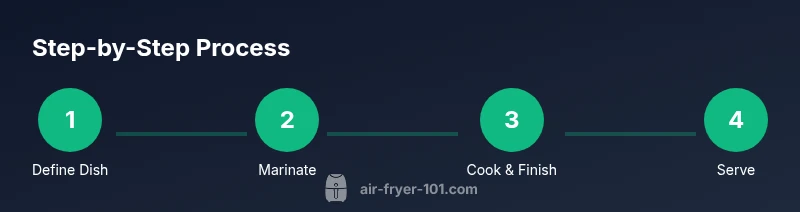
- 1
Define your goal and choose dishes
Decide which Indian dishes you want to cook in the air fryer and assess ingredient prep. Pick items that benefit from surface browning and avoid batter-heavy preparations in early attempts. This step sets expectations for cooking times and batch sizes.
Tip: Start with 2–3 dishes to build confidence before expanding to a full week. - 2
Marinate and pat dry
Prepare marinades with yogurt, spices, and a touch of oil. Pat ingredients dry to reduce surface moisture, which helps crisping in the air fryer. Excess moisture can steam the food rather than crisp it.
Tip: Pat dry thoroughly; moisture is the enemy of crispness. - 3
Preheat your air fryer
If your model supports preheating, run it empty at the target temperature for 2–3 minutes before loading food. This ensures immediate hot air circulation and more even browning.
Tip: Preheating makes a noticeable difference in texture. - 4
Arrange food in a single layer
Place coated or marinated items in a single layer with space between pieces for air to circulate. Overcrowding leads to uneven browning and longer cooking times.
Tip: If needed, cook in batches rather than crowding the basket. - 5
Cook, shake, and flip for evenness
Cook for the first half, then shake or flip the basket to ensure uniform browning. This step is crucial for Indian snacks and kebabs that rely on crust consistency.
Tip: Shake halfway through to prevent sticking and ensure crisp edges. - 6
Check doneness and adjust
Protein should reach safe internal temperatures; adjust time by 2–3 minutes if bars are undercooked. Use a thermometer if available to confirm doneness.
Tip: If in doubt, err on the side of shorter sessions and re-load for a quick finish. - 7
Finish with flavor and moisture balance
Finish with a squeeze of lemon, fresh herbs, or a light drizzle of yogurt-based chutney to balance richness. This enhances aroma and perception of freshness.
Tip: Add finishing touches after cooking to preserve crispness. - 8
Clean as you go
Let the unit cool, then wash the basket and tray with warm, soapy water. Wipe the interior with a damp cloth after each use to remove spice residues.
Tip: Regular cleaning prevents flavor carryover and buildup. - 9
Scale the plan for weekly cooking
Use your initial success to plan a 3–4 dish rotation for the week, reusing marinades and spice blends to save time and money. Track results and adjust spice levels for next batches.
Tip: Keep a simple log of times, temps, and outcomes for future reference.
Got Questions?
Is an air fryer better than deep-frying for Indian snacks?
An air fryer can deliver similar crispness with much less oil, making it a healthier option for many snacks. While texture and mouthfeel may differ from deep-fried versions, you can achieve satisfying results by choosing batter coatings and proper air-flow, and by batch-cooking.
Yes, for oil-conscious cooking, air frying can approximate the crispy finish of Indian snacks, with less oil and cleanup.
Do I need to preheat my air fryer for Indian recipes?
Preheating is model-dependent but often helps achieve consistent browning, especially for marinated proteins and vegetables. If your unit lacks a preheat setting, run it at the target temperature for a few minutes before adding food.
In many cases, preheating improves texture and reduces overall cooking time.
Can I cook frozen samosas or pakoras in an air fryer?
Yes, you can air-fry frozen samosas or pakoras. Reduce coating moisture and consider a slightly longer cooking time. Check for crisp edges and ensure the center is heated through.
Frozen snacks work in air fryers, but you may need to extend time a bit and shake mid-way.
How do I clean sticky spice residues from the air fryer basket?
Soak the basket in warm soapy water and use a non-abrasive sponge. For stubborn stains, a paste of baking soda and water can help. Dry thoroughly before next use.
Soak and gentle scrubbing usually removes stubborn spice stains.
Are there safety concerns with coatings or nonstick surfaces?
Choose air fryers with PTFE-free and PFOA-free nonstick coatings when possible. Avoid damaged coatings and follow manufacturer guidance for replacing accessories.
If in doubt, inspect coating integrity and avoid using damaged pans.
What dishes should I start with to learn air frying for Indian cooking?
Begin with simple kebabs, paneer tikka, or spiced vegetables. These items teach browning, moisture control, and batch handling without overwhelming flavors.
Start with easy, high-contrast dishes to learn timing and texture.
Watch Video
Quick Summary
- Experiment with 2–3 Indian dishes at first
- Preheat and avoid overcrowding for crisp results
- Marinate properly and pat dry to reduce moisture
- Use batches and build a weekly rotation plan
- Keep cleaning routine to preserve flavor and performance