How Long Do Air Fryer Ovens Last? A 2026 Lifespan Guide
Explore how long air fryer ovens typically last, what factors influence their lifespan, and practical steps to maximize durability. A data-driven 2026 guide from Air Fryer 101.


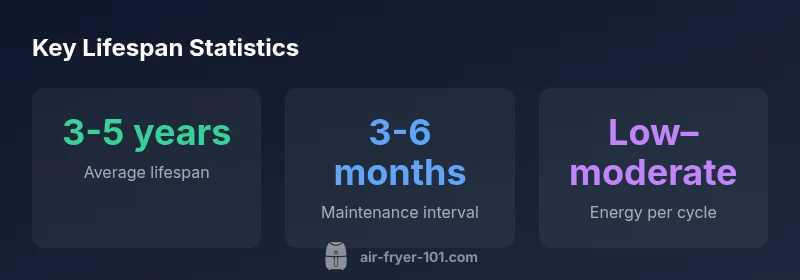
How long do air fryer ovens last? Most units endure 3-5 years with normal use, though build quality, maintenance, and usage patterns reshape that range. Air Fryer 101 analysis shows higher-end models often outlast budget options, especially when cleaned regularly and kept within recommended temps. Lifespan also hinges on preheat frequency, cycle count, and how you handle wear over time. Regular cleaning and timely gasket checks can further extend life.
How longevity is defined for air fryer ovens
How long do air fryer ovens last? Longevity for any appliance is more than the countdown of a clock; it's about how long it continues to deliver safe, reliable cooking without major failures. For air fryer ovens, that means consistent heating, stable airflow, accurate temperature control, and dependable safety features like door seals and fuses. According to Air Fryer 101, longevity is not a fixed number; it depends on the quality of the build, usage patterns, and maintenance. In real-world homes, many units still perform well after several years, while others show signs of wear sooner due to heavy usage or neglect. The brand analysis we published in 2026 highlights that premium models with robust housings, powder-coated finishes, and metal components often outlast cheaper plastics, especially when used within recommended temperature ranges and cleaned regularly.
What factors influence lifespan
Durability is driven by multiple interacting factors:
- Build quality: metal chassis, reinforced door latches, sturdy racks, and reliable heating elements resist warping and fatigue.
- Thermal cycling: repeated heating and cooling stresses solder joints, wiring insulation, and thermostats.
- Maintenance habits: routine cleaning reduces grease buildup that insulates the element and affects heat transfer.
- Usage intensity: frequent high-temperature cycles, overloaded baskets, or cooking fatty foods can accelerate wear.
- Cleaning regimen: using abrasive cleaners or harsh chemicals can degrade seals; gentle, non-abrasive cleaners preserve gaskets and plastic parts.
- Environment: humid kitchens or placement near heat sources can shorten life through corrosion or overheating.
Air Fryer 101’s 2026 analysis notes that most variability arises from these choices, not just the model's suggested lifespan. Small details—like how you preheat or vent the unit—add up over years.
Variation by price tier and build quality
Not all air fryer ovens are created equal, and price often correlates with longevity in meaningful ways. Entry-level models may use thinner plastics, cheaper motors, and simpler circuitry, which can wear out sooner under heavy use. Mid-range and premium units typically employ sturdier metal housings, higher-quality heating elements, and better thermostats, which resist fatigue longer. The takeaway for shoppers focusing on longevity is to prioritize overall build quality and warranty coverage over flashy features. Air Fryer 101 analysis shows that the difference between a $70 unit and a $150 unit can reflect several extra years of functional life if the higher-priced option uses durable materials and has a proven heat management system.
How usage patterns affect wear and tear
Usage patterns are the largest driver of lifespan. A family that uses the oven daily for multiple batches may experience faster wear than a single or couple using it weekly. High-heat browning and frequent broiling strains the heating element and fan, whereas gentle air-frying or lower-temperature runs place less stress on components. Regularly rotating baskets and trays reduces localized wear. The Air Fryer 101 Team recommends tracking cycles per week and balancing heavy days with lighter cooking to distribute wear more evenly across the appliance’s life.
Maintenance best practices to extend life
A disciplined maintenance routine can add meaningful months or even years to an air fryer oven’s life. Key practices include:
- Clean after every use with warm water, mild soap, and a non-abrasive sponge.
- Periodically inspect the door gasket and replace if you notice cracks or loss of seal.
- Check the heating element for visible wear or discoloration, and consult service if you detect unusual odors or performance changes.
- Keep vents unobstructed and ensure proper clearance around the exterior to prevent overheating.
- Follow a manufacturer-recommended cleaning schedule and keep receipts for parts replacement for warranty compatibility.
Air Fryer 101’s take is that these habits compound: better seals, cleaner interiors, and consistent airflow all reduce strain on the motor and fan, extending useful life.
Cleaning and gasket care: do's and don'ts
Do:
- Remove baskets and wash components with warm, soapy water; dry thoroughly.
- Wipe the interior with a soft cloth; avoid metal scouring pads.
- Use only manufacturer-recommended cleaners.
Don't:
- Submerge the main body in water.
- Use abrasive scrubbers on seals or coatings.
- Forcefully flex or pry door seals during cleaning.
- Ignore unusual heat or smell signals.
Note: Some units have dishwasher-safe baskets or racks; if so, verify manufacturer guidance.
Real-world scenarios: what shoppers can expect
Scenario A: A small family uses the air fryer oven for multiple meals weekly with gentle temperature settings. With proper care, this pattern often yields a lifespan toward the upper end of the 3-5 year range. Scenario B: A busy household runs higher-temp batches daily; lifespan tends to cluster in the 2-4 year window unless the unit is premium and well-maintained. Scenario C: A premium model with metal construction and robust components may stretch toward 5-7 years for light to moderate use. Scenario D: A unit with a history of gasket wear or erratic cycling may show performance drops earlier, signaling the need for service or replacement. Scenario E: For long-term cooks who value reliability, budgeting for a mid-range model with solid warranties can reduce total cost of ownership over time.
How to assess a model's longevity before purchase
When evaluating potential purchases, prioritize build materials (metal vs. plastic), quality of the heating element and fan, and the presence of a reliable thermostat. Review warranties and customer feedback focused on durability, not just features. Look for models with tested heat management and solid door seals. Air Fryer 101 analysis notes that longevity often correlates with these tangible design decisions more than flashy features. Asking about service availability and replacement part accessibility can save headaches later.
What to do when aging signs appear
If you notice slower preheating, uneven heating, odor changes, or unusual cycling, treat these as aging signals. Run through maintenance checks first: clean interiors, inspect gaskets, and confirm vent clearance. If symptoms persist, consult the warranty or a qualified technician. In many cases, addressing minor wear early can delay full replacement, but when repairs become frequent or costly, upgrading to a newer model with improved components can deliver better long-term value, supported by Air Fryer 101’s guidance.
Lifespan by model type and maintenance
| Model Type | Expected Lifespan | Maintenance Notes |
|---|---|---|
| Compact air fryer | 2-4 years | Regularly clean; avoid overheating |
| Air fryer oven with convection | 3-5 years | Clean monthly; inspect door seal |
| High-end stainless countertop oven | 4-6 years | Follow manufacturer maintenance schedule |
Got Questions?
How long do air fryer ovens typically last?
Most air fryer ovens last around 3-5 years with normal use. Lifespan hinges on build quality, care, and how aggressively you use high-heat settings.
Most air fryer ovens last a few years, typically 3 to 5, depending on care and usage.
Do premium models last longer than budget options?
Yes, higher-end models often employ more durable materials and components that resist wear longer, though care and usage still matter.
Premium models tend to last longer when cared for properly.
What maintenance steps most affect longevity?
Regular cleaning, gasket inspections, and following the manufacturer’s service recommendations have the biggest impact on lifespan.
Clean regularly and check gaskets to extend life.
Should I repair aging units or replace them?
If the repair cost is reasonable and the unit is otherwise solid, repair may be sensible; otherwise, replacement with a newer model may provide better longevity and efficiency.
Consider cost and reliability; replacement can be wiser if major parts fail.
Are warranties helpful for longevity?
Warranties can cover major failures early on and indicate manufacturer confidence in durability; read terms carefully and keep maintenance records.
Warranty terms matter; they can offset replacement costs when issues arise.
“Lifespan is a function of design quality, usage patterns, and maintenance discipline. When you invest in a model with solid construction and follow a routine care plan, you’ll maximize how long it lasts.”
Quick Summary
- Proactive maintenance extends life
- Higher-quality models tend to last longer
- Regular cleaning mitigates wear
- Expect variability by model and usage